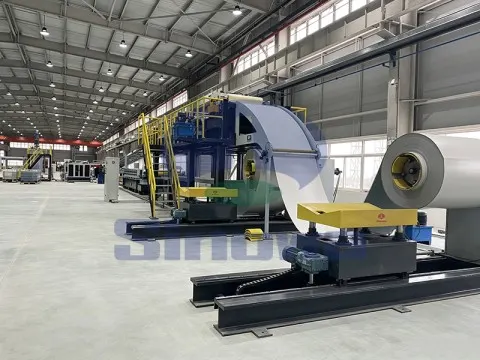
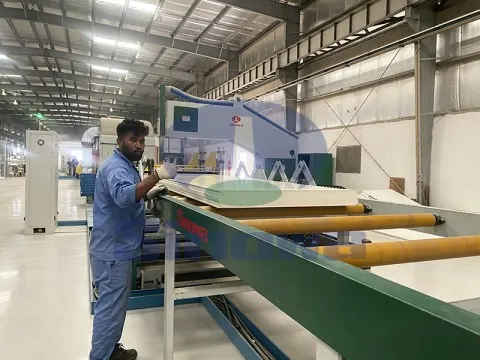
sandwich panel machine
PU sandwich panels are composite structures consisting of a rigid PU foam core sandwiched between two outer facings, which are typically made of galvanized steel, galvalume, aluminum, or other high-performance materials. The core functionality of PU sandwich panel machinery revolves around the seamless integration of these three key components: the outer facings, the PU core, and the bonding system that fuses them into a unified composite structure. Unlike conventional manufacturing equipment, modern PU sandwich panel machinery with touch screen control systems is designed to achieve a high degree of automation and precision, minimizing human intervention and ensuring consistent product quality. The touch screen control system serves as the central hub of the machinery, allowing operators to monitor, adjust, and control every stage of the production process with unprecedented ease and accuracy, eliminating the need for complex manual adjustments and reducing the risk of human error.
The touch screen control system is a game-changing feature that distinguishes modern PU sandwich panel machinery from traditional models. Unlike older control systems that relied on physical buttons, dials, and complex wiring, the touch screen interface offers an intuitive, user-friendly platform that simplifies operation and reduces the learning curve for operators. The interface is typically designed with clear, easy-to-read graphics, icons, and menus, allowing operators to access all critical functions and parameters with just a few taps. This simplicity not only reduces training time for new operators but also minimizes the likelihood of operational mistakes, which can lead to product defects, downtime, and increased material waste. Additionally, the touch screen is often equipped with a high-resolution display that provides real-time feedback on all aspects of the production process, including line speed, temperature, pressure, foam mixing ratio, and panel dimensions, enabling operators to make immediate adjustments as needed to maintain optimal performance.
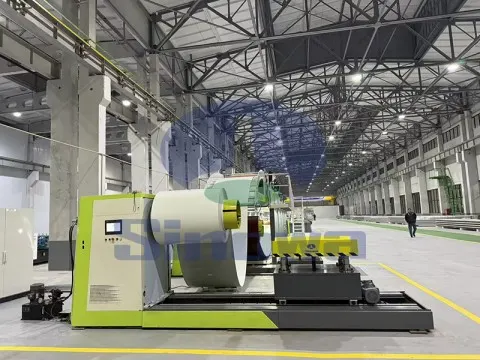
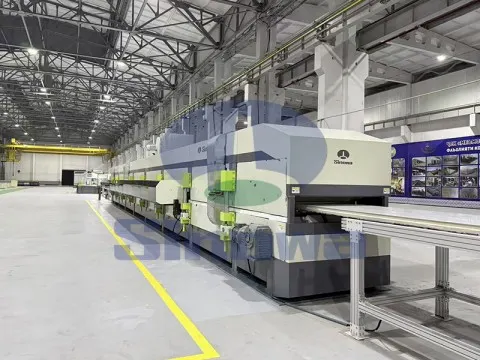
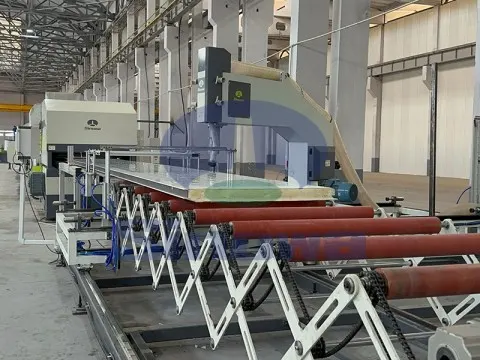
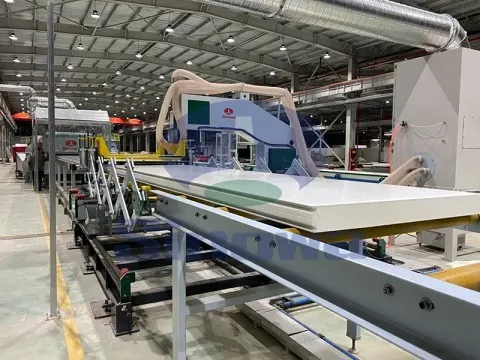
One of the key advantages of the touch screen control system is its ability to centralize and automate the control of all modular components of the PU sandwich panel machinery. Modern PU sandwich panel machinery is typically composed of interconnected modular units, each performing a specific function in the production cycle, such as uncoiling, leveling, profiling, foam mixing, dispensing, laminating, curing, and cutting. The touch screen control system synchronizes the operation of these units, ensuring a seamless, uninterrupted workflow that maximizes efficiency and product consistency. For example, the operator can set the desired panel thickness, width, and length on the touch screen, and the system will automatically adjust the corresponding components—such as the laminating rollers, cutting mechanism, and foam dispensing system—to meet these specifications. This level of automation not only reduces the need for manual intervention but also ensures that each panel produced meets the exact same quality standards, eliminating variations that can occur with manual control.
The precision offered by the touch screen control system is critical to the production of high-quality PU sandwich panels. PU sandwich panels require tight tolerances for panel thickness, core density, and dimensional accuracy to ensure they are compatible with standard construction practices and can be installed seamlessly. The touch screen control system allows operators to set and maintain precise parameters for every stage of the production process. For instance, in the foam mixing and dispensing stage, the system controls the precise ratio of isocyanate and polyol—the two main components of PU foam—using precision metering pumps, ensuring a consistent foam density and thermal conductivity. The touch screen displays real-time data on the mixing ratio, and operators can adjust these parameters with a high degree of accuracy, ensuring that the foam core is uniform and free of defects such as voids or uneven density. Similarly, the system controls the temperature and pressure in the curing zone, ensuring that the PU foam cures properly to achieve its full structural strength and thermal insulation properties.
Another significant benefit of the touch screen control system is its ability to store and recall production parameters, enabling manufacturers to easily switch between different panel specifications without the need for time-consuming manual adjustments. Operators can save preset parameters for different panel types—such as wall panels, roof panels, or cold storage panels—and recall them with a single tap on the touch screen. This feature is particularly useful for manufacturers that produce a wide range of panel sizes and configurations, as it reduces setup time between production runs and ensures consistency across different batches. Additionally, the touch screen system can log production data, such as output volume, production time, and parameter adjustments, providing manufacturers with valuable insights into their production processes. This data can be used to identify inefficiencies, optimize performance, and make informed decisions about maintenance and process improvements.
The touch screen control system also enhances the safety and reliability of PU sandwich panel machinery. Modern systems are equipped with built-in safety features that are easily accessible through the touch screen interface. For example, operators can set emergency stop parameters, monitor safety sensors, and receive real-time alerts for potential issues such as overheating, pressure anomalies, or material jams. These alerts appear prominently on the touch screen, allowing operators to take immediate action to prevent equipment damage or safety hazards. Additionally, the touch screen system can be configured to require operator authentication, ensuring that only trained personnel can access and modify critical production parameters, reducing the risk of unauthorized adjustments that could lead to product defects or equipment failure.
In terms of operational efficiency, PU sandwich panel machinery with touch screen control systems offers significant advantages over traditional equipment. The automation and precision provided by the touch screen system reduce material waste by ensuring that each panel is produced to the exact specifications, minimizing scrap. Additionally, the system reduces downtime by enabling quick adjustments and troubleshooting. If a problem occurs during production, the touch screen displays detailed error messages and troubleshooting guidance, allowing operators to identify and resolve issues quickly without the need for specialized technical support. This reduces the amount of time the machinery is out of operation, increasing overall production output and reducing costs.
The adaptability of PU sandwich panel machinery with touch screen control systems is another key feature that makes it suitable for a wide range of applications. The touch screen interface allows operators to easily adjust parameters to accommodate different raw materials, such as varying types of facing materials or foam formulations. For example, if a manufacturer switches from galvanized steel facings to aluminum facings, the operator can adjust the uncoiling, leveling, and profiling parameters on the touch screen to ensure optimal performance with the new material. Similarly, the system can be adjusted to produce panels with different foam densities, depending on the required thermal insulation and structural properties. This adaptability makes the machinery suitable for use in diverse industries, including construction, cold storage, industrial manufacturing, and modular housing.
Proper maintenance is essential to ensure the long-term performance and reliability of PU sandwich panel machinery with touch screen control systems, and the touch screen interface simplifies this process as well. The system can be programmed to send maintenance alerts when components require inspection, lubrication, or replacement, such as belts, rollers, or metering pumps. These alerts appear on the touch screen, reminding operators to perform routine maintenance tasks before small issues become major problems. Additionally, the touch screen can display maintenance guides and instructions, making it easier for operators to perform routine maintenance without the need for extensive technical knowledge. Regular maintenance not only extends the lifespan of the machinery but also ensures that it continues to operate at peak efficiency, producing high-quality panels consistently.
The environmental benefits of PU sandwich panel machinery with touch screen control systems should not be overlooked. Modern designs incorporate energy-saving technologies that are easily monitored and controlled through the touch screen interface. For example, the system can optimize the energy consumption of the curing unit by adjusting temperature settings based on production demand, reducing overall energy usage and environmental impact. Additionally, the precision of the foam mixing and dispensing system reduces material waste, minimizing the amount of raw materials that end up in landfills. The use of eco-friendly foam blowing agents, such as cyclopentane, can also be monitored and controlled through the touch screen, ensuring that the production process meets environmental standards and reduces carbon emissions.
As the construction industry continues to prioritize energy efficiency, durability, and rapid installation, the demand for high-quality PU sandwich panels is expected to grow, and with it, the demand for advanced production machinery equipped with touch screen control systems. These machines offer a perfect balance of automation, precision, and usability, enabling manufacturers to produce high-quality panels efficiently and cost-effectively. The touch screen control system has revolutionized the operation of PU sandwich panel machinery, making it more accessible, reliable, and efficient than ever before. Whether used in large-scale industrial production facilities or smaller manufacturing operations, PU sandwich panel machinery with touch screen control systems is poised to play a critical role in the future of composite material production.
In conclusion, PU sandwich panel machinery with touch screen control systems represents a significant advancement in composite material production technology. The integration of the touch screen interface simplifies operation, enhances precision, improves safety, and increases efficiency, making it an indispensable tool for manufacturers across diverse industries. The ability to centralize control, store production parameters, and monitor real-time data ensures consistent product quality and reduces downtime, while the adaptability of the system allows it to accommodate a wide range of production requirements. As the industry continues to evolve, these machines will likely incorporate even more advanced features, such as remote monitoring and control, further enhancing their performance and usability. For manufacturers seeking to stay competitive in a rapidly changing market, investing in PU sandwich panel machinery with touch screen control systems is a strategic decision that can lead to improved productivity, reduced costs, and higher customer satisfaction.
Sinowa is a professional manufacturer of sandwich panel machine in china, we provide diversified and high-performance sandwich panel production lines, including fully automatic continuous PU sandwich panel line and customized special lines to meet mass production and personalized order demands. These sandwich panel lines support processing multiple foam core materials, such as PU, PIR, mineral wool, rock wool and glass wool, covering different insulation and fireproof standards.
Featuring stable operation, high efficiency, energy saving and easy maintenance, our PU sandwich panel line deliver sandwich panels with excellent thermal insulation, fire resistance, sound insulation and lightweight durability. The finished panels are widely applied in industrial workshops, warehouse roofing and wall cladding, cold storage insulation, serving global construction and industrial insulation markets.
https://www.cnsinowa.com/sandwich-panel-machines/pu-sandwich-panel-machinery-with-touch-screen-control-system.html