sandwich panel machine
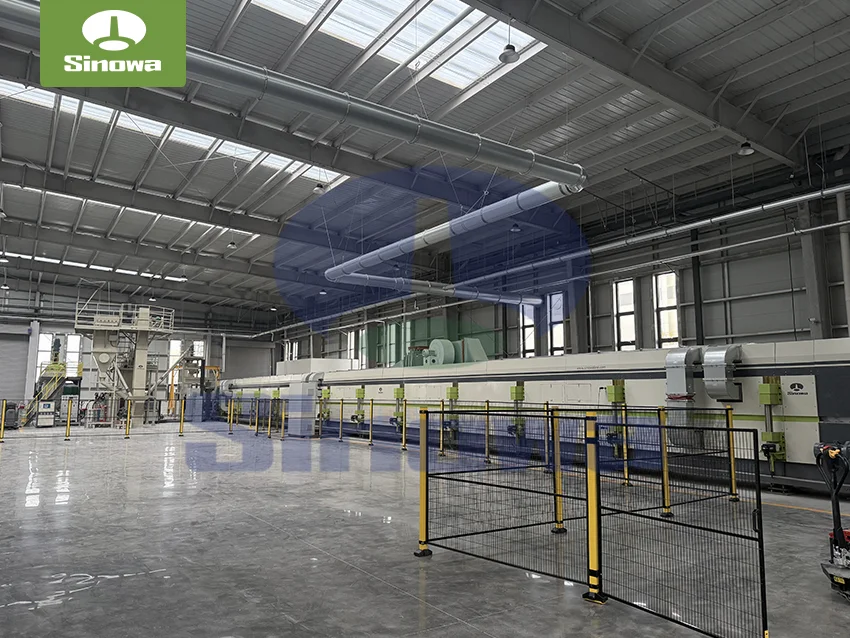
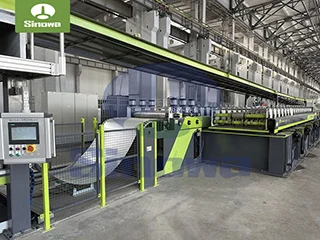
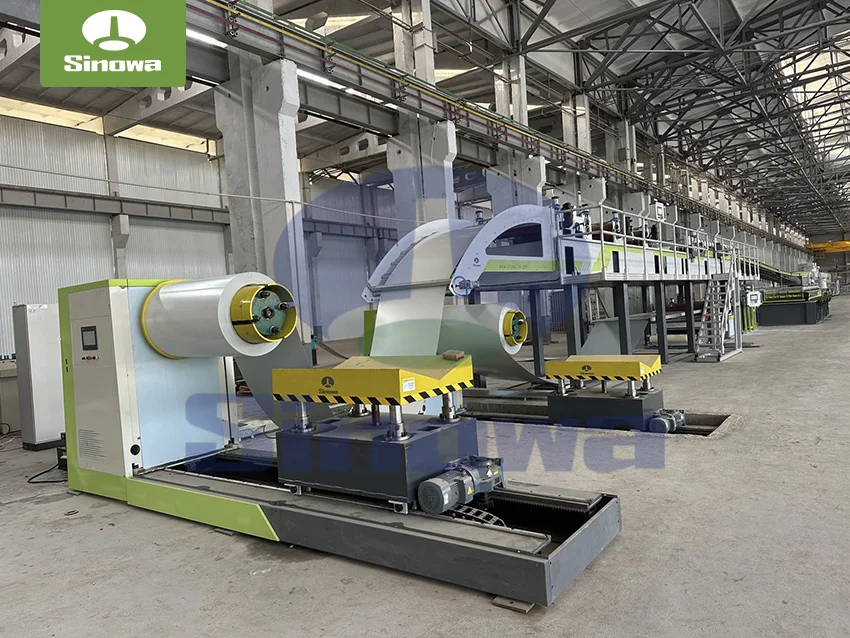
The overall structural layout of a complete PU sandwich panel making machine follows a sequential forward production logic, with each functional unit closely connected and mutually coordinated, forming an interconnected and mutually restricted systematic production system without any isolated operational links. Every functional module of the equipment is designed and configured based on the physical characteristics of metal facing materials and polyurethane chemical raw materials, as well as the chemical reaction rules of polyurethane foaming and curing, ensuring that mechanical movement, material transmission, chemical reaction, and temperature and pressure control can be precisely matched throughout the entire production process. The front-end part of the entire production line is mainly responsible for raw material preparation and pre-processing work, which is the basic link to ensure the smooth progress of subsequent core production processes and the stable quality of finished panels. This part primarily includes multi-station uncoiling devices, material guiding and tension adjusting mechanisms, surface film covering and protective layer processing components, and edge trimming and slitting units. The uncoiling devices are responsible for placing and releasing coiled metal raw materials, the main outer facing material of PU sandwich panels, and the structural design of these devices fully considers the stability of material discharging to avoid material deviation, wrinkling, stretching, or uneven feeding speed during the unwinding process. Stable and uniform material feeding is particularly important in the initial production stage, as any subtle fluctuation in material tension or deviation in feeding position will be continuously amplified in subsequent roll forming and composite lamination processes, eventually leading to problems such as uneven panel thickness, inconsistent edge dimensions, and weak bonding between the facing layer and the foam core. The tension adjusting mechanism equipped in the front-end unit can automatically fine-tune the feeding tension according to the actual operating speed of the production line and the remaining material volume of the coiled materials, maintaining a constant tension state for the metal facing materials throughout the feeding process and ensuring the flatness and integrity of the surface materials before entering the forming process. In addition, the surface film covering function in the front-end pre-processing stage is used to attach protective films on the outer surface of the metal facing materials, effectively preventing surface scratches, oxidation, and dust adhesion during subsequent production processing, transportation, and on-site installation, maintaining the smooth and beautiful surface state of the finished sandwich panels for a long time. The edge trimming and slitting unit is responsible for cutting the two sides of the continuously fed metal facing materials to ensure that the width dimensions of the upper and lower facing layers of the sandwich panels are completely consistent, eliminating the dimensional deviation caused by the original production of metal coils and creating precise dimensional preconditions for the subsequent composite pressing and fixed-length cutting processes.
After completing the front-end raw material pre-processing and trimming work, the metal facing materials will be smoothly transported to the roll forming system, which is a core functional unit that determines the structural shape and edge sealing effect of the final PU sandwich panels. The roll forming system of the PU sandwich panel machine consists of multiple groups of precision arranged forming roller sets, transmission gear assemblies, and position correction devices, and all forming rollers are made of high-quality alloy steel materials with special quenching and surface hardening treatment processes, ensuring high hardness, strong wear resistance, and long-term structural stability during long-term continuous rolling operation. Each group of forming rollers is designed with different bending and pressing profiles according to the structural requirements of different types of sandwich panels, including roof panels, wall panels, and special-shaped edge sealing panels, and the metal facing materials are gradually bent, pressed, and shaped through the gradual rolling action of multiple groups of rollers, avoiding the structural damage and surface deformation of metal materials caused by one-time strong bending. The digital control mode is adopted for the operation of the roll forming system, which can precisely adjust the gap between the upper and lower rollers, the rolling pressure, and the forming speed according to the thickness and material hardness of different metal facing raw materials, ensuring that the formed metal profiles have accurate dimensional accuracy, stable structural shape, and no rebound deformation after forming. In the actual production process, the roll forming speed needs to be precisely matched with the operating speed of the subsequent foaming and lamination system, and the synchronous operation of all links is maintained through the central control system. If the forming speed is too fast, the metal materials cannot be fully shaped, resulting in profile rebound and unqualified panel shape; if the forming speed is too slow, the production rhythm will be disrupted, and the polyurethane foam injected in the subsequent process will complete the foaming reaction in advance, affecting the bonding effect between the foam core and the facing layers. At the same time, the position correction device equipped in the roll forming system can monitor the feeding position of the metal materials in real time during the rolling process, and automatically fine-tune the material conveying deviation, ensuring that the formed upper and lower facing profiles are completely aligned in the subsequent composite lamination process, avoiding problems such as panel edge misalignment and uneven overall stress.
Before the formed upper and lower metal facing layers enter the composite lamination stage, the PU sandwich panel production machine is equipped with an independent preheating treatment unit, a key auxiliary device that plays an irreplaceable role in improving the bonding strength between the metal facing layers and the polyurethane foam core. The preheating system adopts a circulating temperature control design, which can heat the surface of the metal facing materials to a set stable temperature range through uniform heat conduction, eliminating the low-temperature state of the metal materials at room temperature and reducing the temperature difference between the metal surface and the polyurethane mixed liquid injected later. Polyurethane foaming and bonding reactions have strict requirements on the ambient temperature and the temperature of the contact base surface. When the metal surface temperature is too low, the polyurethane mixed liquid will cool rapidly after contact, the foaming reaction speed will slow down, the foam cell structure will be uneven, and the bonding interface between the foam and the metal facing layer will be prone to virtual bonding and weak adhesion, which will reduce the overall structural strength and thermal insulation performance of the sandwich panels. After the preheating treatment, the surface activity of the metal facing materials is effectively improved, the contact reaction efficiency between the polyurethane raw materials and the metal surface is enhanced, and the foam core can be closely bonded to the inner side of the metal facing layers after foaming and curing, forming an integrated composite structure without gaps and separation. The temperature of the preheating unit can be adjusted steplessly according to the ambient temperature of the production workshop and the production speed of the equipment. In low-temperature winter production environments, the preheating temperature can be appropriately increased to ensure the stability of the bonding reaction; in high-temperature summer production environments, the preheating temperature can be appropriately reduced to avoid excessive temperature affecting the foaming expansion ratio of polyurethane. The entire preheating process is carried out in a closed heat preservation space, which can not only ensure uniform heating of the metal materials but also reduce heat energy loss, achieving a reasonable balance between production process requirements and energy utilization efficiency.
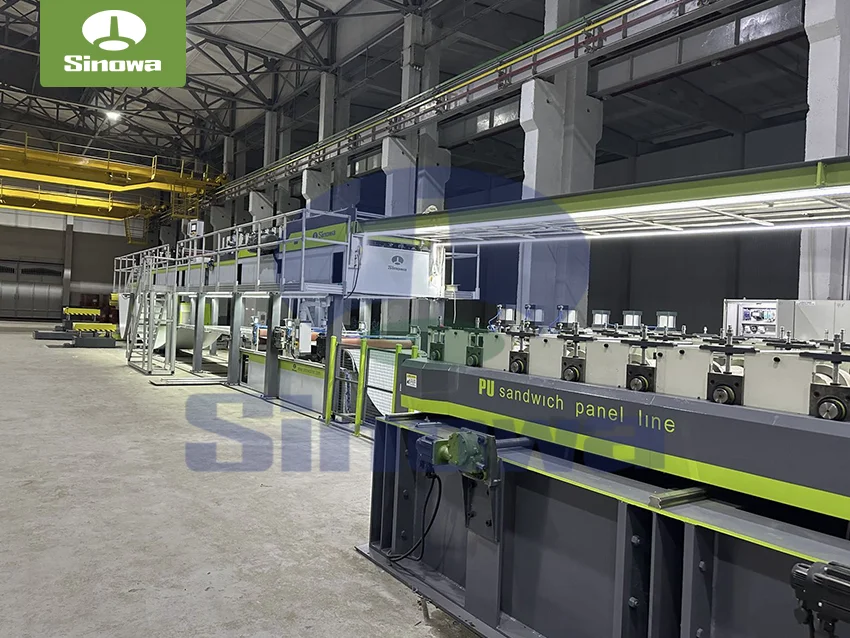
The polyurethane foaming and high-pressure injection mixing system is the heart core component of the entire PU sandwich panel manufacturing machine, directly determining the foam density, cell structure uniformity, thermal insulation performance, and overall bonding quality of the sandwich panel core layer. This system is mainly composed of raw material storage and constant temperature adjustment units, precise metering and pumping assemblies, high-pressure dynamic mixing devices, and uniform material distribution and injection components. The main raw materials required for polyurethane foaming include two main chemical components, polyol and isocyanate, as well as a small amount of auxiliary materials such as foaming agents and catalysts. All raw materials are stored in sealed storage tanks with constant temperature control functions, and the temperature of the raw material liquid is maintained within the optimal reaction temperature range all the time to ensure that the chemical properties and reaction activity of the raw materials remain stable without being affected by external ambient temperature changes. The precise metering and pumping assembly can accurately control the output ratio and delivery flow of the two main raw materials and auxiliary materials according to the set production process parameters, completely avoiding the quality problems of unqualified foam performance caused by inaccurate raw material proportioning. The ratio of polyol to isocyanate directly affects the foaming expansion multiple, curing speed, hardness, and thermal conductivity of the polyurethane foam core; only with precise and stable proportioning can the foam core maintain uniform and fine cell structure, moderate hardness and toughness, and excellent long-term thermal insulation and compression resistance. After precise metering and pumping, all raw materials are transported to the high-pressure dynamic mixing device, where the raw materials are fully and evenly mixed in an instant through high-speed stirring and high-pressure impact, triggering the initial chemical reaction of polyurethane foaming. The mixed liquid polyurethane material is then evenly injected between the preheated and formed upper and lower metal facing layers through the distribution and injection components, with the injection position and injection volume precisely controlled according to the width and thickness specifications of the produced sandwich panels, ensuring that the liquid polyurethane material can fully cover the entire gap between the two facing layers without material shortage, accumulation, or local uneven distribution.

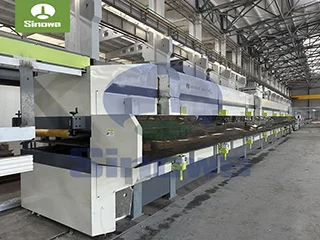
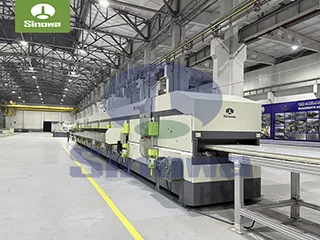
Following the polyurethane injection process, the double-belt composite lamination and constant-temperature curing system begins to work, which is the key link to realize the composite forming and integrated curing of PU sandwich panels. The double-belt lamination unit is composed of upper and lower circulating conveyor belts, pressure adjustment mechanisms, constant temperature heating and heat preservation components, and synchronous transmission devices. The upper and lower formed metal facing layers with injected polyurethane liquid enter the space between the two circulating conveyor belts together, and the lamination system applies uniform and stable vertical pressure to the upper and lower facing layers through mechanical pressure adjustment structures, making the metal facing layers closely fit with the expanding polyurethane foam core, and controlling the overall thickness of the sandwich panels within the set standard range. The pressure applied by the lamination system can be adjusted according to the thickness specifications of different panels and the foaming expansion characteristics of polyurethane, ensuring that the foam core can fully expand and fill the entire composite space without excessive compression leading to reduced foam porosity and poor thermal insulation performance, nor insufficient pressure leading to gaps between the facing layers and the foam core and unstable composite structure. At the same time, the constant-temperature heating and heat preservation system of the double-belt unit maintains a stable curing temperature inside the lamination space, providing a favorable temperature environment for the continuous foaming, expansion, and solidification curing of polyurethane materials. During the process of moving forward with the circulating conveyor belt, the liquid polyurethane material completes the entire chemical reaction process from foaming expansion, cell forming, to solidification and bonding, gradually changing from liquid state to solid foam structure, and forming a firm integrated bonding state with the inner surface of the metal facing layers. The synchronous transmission design of the double-belt conveyor ensures that the moving speed of the upper and lower conveyor belts is completely consistent with the production line rhythm, avoiding relative sliding between the metal facing layers and the foam core during the curing process, which could cause bonding separation and structural displacement. The length of the double-belt lamination unit is scientifically designed according to the curing time required for polyurethane foaming, ensuring that the polyurethane foam core is completely cured and shaped when the sandwich panel leaves the lamination system, with stable structural performance and no subsequent deformation or shrinkage.
After completing composite lamination and primary curing, the continuous integrated sandwich panel enters the cooling and shaping stage, an essential process to stabilize the internal structure and overall dimensional stability of the panel. Although the polyurethane foam core has completed the main curing reaction in the double-belt lamination unit, the internal temperature of the panel remains relatively high after curing, and the internal molecular structure and bonding state are still in a slightly unstable state. If subsequent cutting and stacking operations are carried out directly without cooling treatment, the panel will be prone to thermal expansion and contraction deformation, edge warping, surface unevenness, and other problems, affecting the flatness and installation accuracy of the finished product. The cooling system of the PU sandwich panel machine adopts a natural air cooling and auxiliary circulating air cooling combined mode, with a long-distance cooling conveyor platform, allowing the continuous sandwich panel to move slowly forward for sufficient heat dissipation and natural shaping. During the cooling process, the internal temperature of the panel gradually drops to room temperature, the internal stress generated by the foaming and curing reaction is gradually released and balanced, the foam cell structure is completely stabilized, and the bonding strength between the foam core and the metal facing layers reaches the optimal state. The cooling conveyor platform is equipped with a stable supporting structure to ensure that the panel is always in a horizontal state during the cooling process without bending or sagging deformation due to its own weight. The cooling time can be adjusted according to the production speed and ambient temperature; when the production speed is fast, the cooling conveyor running time is appropriately extended to ensure sufficient heat dissipation, and when the ambient temperature is low, the cooling time can be moderately shortened to improve overall production efficiency.
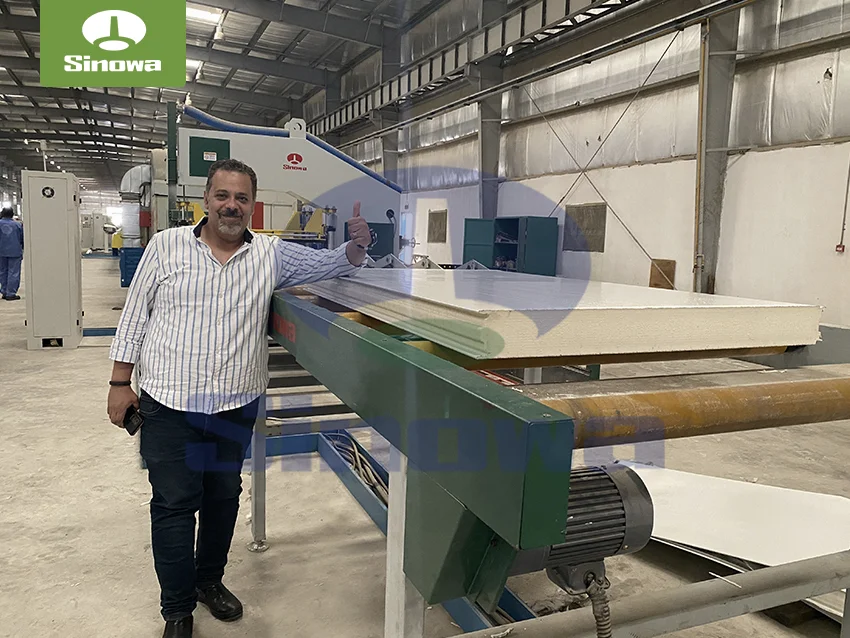
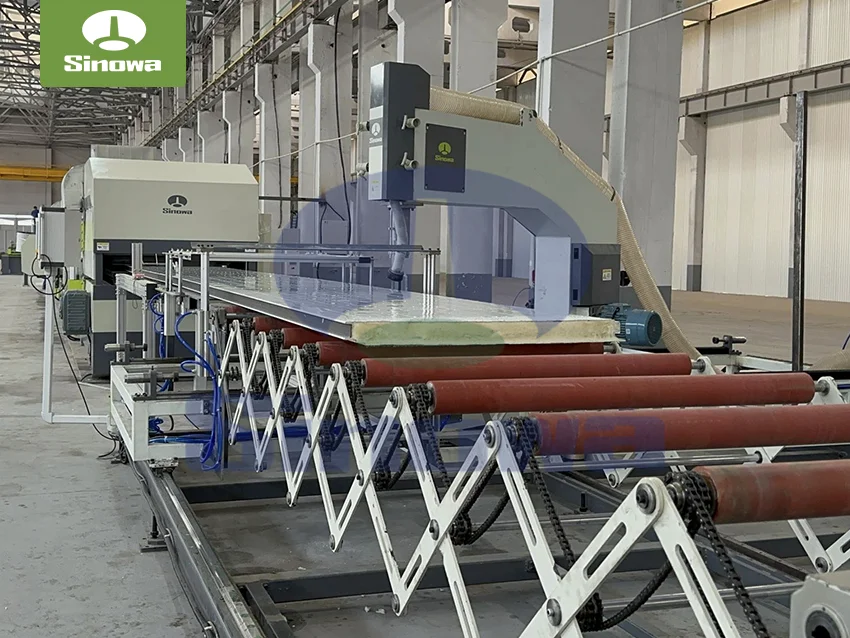
Once the cooling and shaping process is completed, the continuous long-strip sandwich panel is transported to the automatic fixed-length cutting system, which is responsible for cutting the continuous panel into finished products of different lengths according to the actual order and engineering construction requirements. The cutting system of the PU sandwich panel machine adopts automatic numerical control fixed-length positioning and high-speed cutting integration design, eliminating the need for manual measurement and manual cutting operations, which effectively improves cutting dimensional accuracy and cutting efficiency while avoiding cutting errors and surface damage caused by manual operation. Before cutting, the numerical control system can preset various required cutting length parameters according to the order demand, and the photoelectric sensing and positioning device installed at the cutting position monitors the conveying position of the sandwich panel in real time. When the panel is transported to the preset fixed-length position, the conveyor automatically stops moving, and the cutting device starts quickly and smoothly to complete the cutting operation. The cutting tool is made of high-hardness wear-resistant materials, with a smooth and sharp cutting edge, which can complete the cutting of the metal facing layer and the polyurethane foam core at one time, ensuring that the cutting section of the panel is flat and neat, without burrs, foam debris falling off, edge collapse, or cracking. After cutting, the cutting device automatically resets, and the production line resumes conveying operation to carry out the next fixed-length cutting cycle. In addition, the cutting system is equipped with a dust and debris collection device, which can collect the foam debris and metal scraps generated during the cutting process in a centralized manner, keeping the production environment clean and tidy, and avoiding debris accumulation affecting the normal operation of subsequent equipment and the surface quality of finished panels. The fixed-length cutting system has strong flexibility and adaptability, and can quickly switch and adjust cutting length parameters according to different order requirements, meeting the diversified production needs of different engineering projects for sandwich panel specifications.

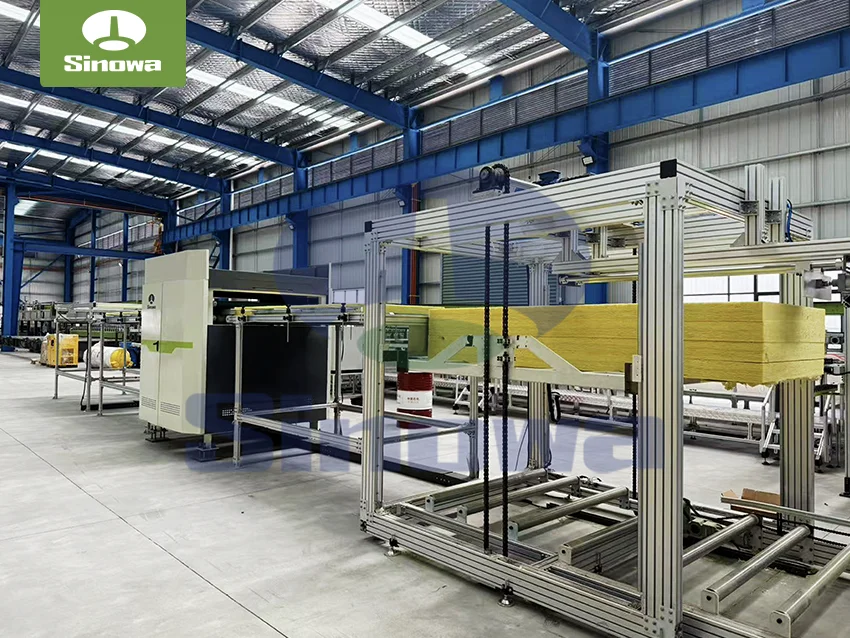
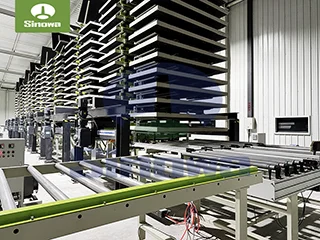
The final operational links of the entire PU sandwich panel machine include finished product conveying, automatic stacking, and finished product temporary storage and packaging preparation, which are important auxiliary links to realize automated production and finished product standardized management. The cut single finished sandwich panels are transported to the automatic stacking area through the rear-end conveyor device, and the automatic stacking system adopts a mechanical grabbing and stacking structure, which can accurately grab single panels from the conveyor and stack them neatly in the designated stacking area according to the set stacking sequence and stacking height. The mechanical grabbing structure is designed with protective anti-slip and buffer devices to avoid surface scratches, edge damage, and panel deformation during the grabbing and stacking process, fully protecting the appearance and structural integrity of finished panels. The stacked finished sandwich panels are arranged neatly with uniform spacing and stable stacking, which is convenient for subsequent centralized packaging, handling, and transportation. The stacking system can automatically count the number of stacked panels, and send a prompt signal when the stacking quantity reaches the set standard, facilitating the management personnel to carry out timely packaging and warehousing work. The subsequent packaging preparation work mainly involves wrapping protective materials around the stacked panels to prevent moisture, dust, and collision damage during long-distance transportation and long-term storage, ensuring that the quality of the sandwich panels remains unchanged until they arrive at the construction site and are installed.

The central control system is the overall command and scheduling core of the entire polyurethane sandwich panel machine, responsible for the unified control, coordinated operation, real-time monitoring, and parameter adjustment of all functional units and operational links. The entire production line adopts a programmable logic controller as the main control core, equipped with a human-machine interaction touch screen operation interface, through which operators can set all production process parameters, including production line operating speed, raw material ratio, preheating temperature, lamination pressure, curing temperature, cutting length, stacking quantity, and other key data. All operational data and equipment operating status during the production process are displayed on the touch screen in real time, including the operating speed of each unit, raw material residual volume, equipment operating temperature, pressure status, and production quantity statistics, allowing operators to intuitively grasp the overall production operation situation at any time. The central control system realizes the synchronous linkage operation of all functional units of the production line, automatically adjusting the operating parameters of each link according to the overall production speed, ensuring that there is no asynchronous operation or production rhythm disorder between the front-end feeding, middle forming and foaming, and rear-end cutting and stacking links. In the event of abnormal equipment operation, material blockage, parameter deviation, or other unexpected situations, the central control system will automatically trigger an alarm prompt and perform automatic shutdown protection for faulty links, avoiding equipment failure expansion, production quality problems, and potential safety hazards. At the same time, the control system has a parameter memory function, which can store the process parameters of different specifications of sandwich panel production, and can quickly call and apply the corresponding parameter settings when switching production specifications, reducing the time for parameter debugging and adjustment, and improving production efficiency and production stability.

Daily maintenance and regular maintenance work are crucial to maintaining the long-term stable operation of the PU sandwich panel machinery, ensuring continuous and stable production quality, extending the service life of equipment components, and reducing equipment failure rates and production maintenance costs. Daily maintenance work mainly includes daily cleaning of equipment surface and functional components, inspection of material conveying channels, cleaning of cutting debris and dust accumulation, checking whether the connecting parts of each transmission component are loose, whether the roller sets and conveyor belts are worn or deviated, and whether the raw material conveying pipelines have leakage or blockage problems. Operators need to complete comprehensive cleaning and simple inspection work before starting the machine every day, and conduct a comprehensive inspection and maintenance of the equipment after the end of daily production, cutting off the power supply, cleaning residual raw materials and sundries, and ensuring that the equipment is in a good standby state. Regular maintenance work includes regular lubrication of transmission gears, bearings, and rotating components, regular inspection and replacement of worn sealing parts and vulnerable parts, regular calibration of metering and positioning devices, regular cleaning and maintenance of raw material mixing and injection pipelines, and regular detection and adjustment of temperature and pressure control systems. The polyurethane raw material mixing and injection pipeline is particularly important for maintenance; residual polyurethane raw materials in the pipeline need to be cleaned regularly to avoid material solidification and blockage affecting the accuracy of subsequent raw material metering and injection. The rolling rollers and cutting tools of the equipment need regular wear detection and maintenance, and timely polishing or replacement is carried out when wear is found to ensure the forming accuracy and cutting effect of the equipment. Good maintenance habits can effectively reduce the frequency of equipment failure, avoid production interruption caused by equipment faults, and ensure the continuity and stability of production work.

In practical industrial production and engineering application scenarios, continuous PU sandwich panel machines show strong production adaptability and flexible application characteristics, and can meet the production and manufacturing needs of sandwich panels required by different types of construction projects and industrial facilities. By adjusting the process parameters of the equipment and replacing a small number of forming roller accessories, the same set of PU sandwich panel machine can produce roof sandwich panels, wall sandwich panels, cold storage special insulation sandwich panels, modular house enclosure panels, and other different types of products, with adjustable panel thickness, width, and surface material specifications, fully adapting to the diversified design and construction requirements of modern construction engineering. The sandwich panels produced by this equipment have excellent comprehensive performance, with lightweight structure reducing the overall load-bearing pressure of buildings, excellent thermal insulation effect reducing the energy consumption of building heating and refrigeration, good sound insulation performance improving the internal environmental comfort of buildings, and strong weather resistance and corrosion resistance adapting to different regional climatic environments and long-term outdoor use conditions. With the continuous upgrading of construction industry energy-saving standards and the rapid development of modular building and prefabricated building industries, the market demand for high-quality PU sandwich panels continues to grow, and the application value and market importance of PU sandwich panel machines as core production equipment are also constantly improving.

In the long-term production and application process, the operational stability and production efficiency of fully automatic PU sandwich panel machines are also affected by multiple external factors, including workshop ambient temperature and humidity, raw material quality stability, operator professional operation level, and daily maintenance management standards. Maintaining a stable production workshop environment, using qualified and stable raw material supplies, improving the professional operation skills of operators, and implementing standardized equipment maintenance management can all effectively optimize the production performance of the equipment, stabilize the quality of finished sandwich panels, and improve the overall economic benefits of production and processing enterprises. With the continuous progress of mechanical manufacturing technology and automatic control technology, PU sandwich panel machines are also constantly developing towards higher automation degree, more precise control accuracy, more energy-saving and environmentally friendly operation modes, and more flexible production adaptation performance, continuously providing reliable equipment support for the high-quality development of the prefabricated construction industry and the upgrading of building energy-saving materials.
https://www.cnsinowa.com/sandwich-panel-machines/pu-sandwich-panel-machine.html