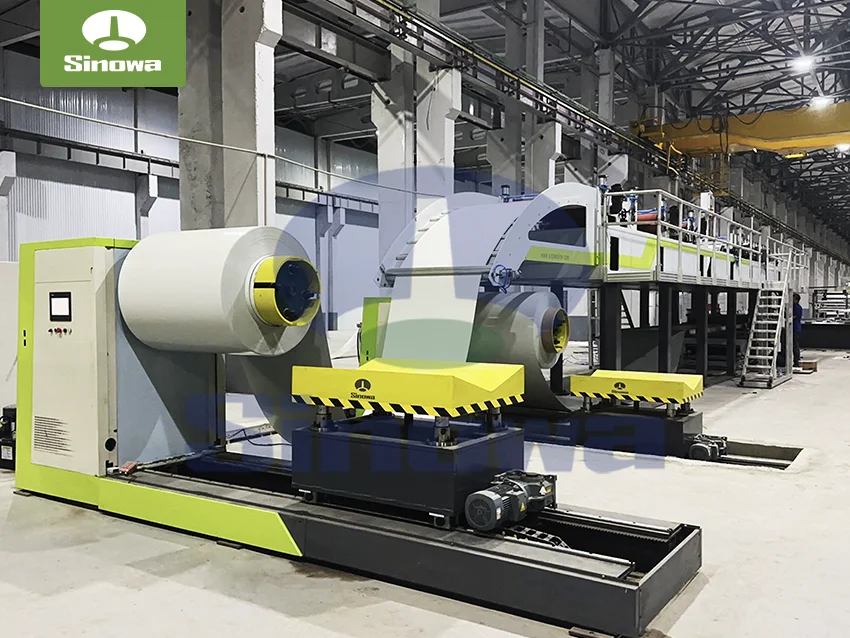
 sandwich panel machine
To comprehend the value of PU sandwich panel machines, it is first essential to understand the unique characteristics of PU sandwich panels for roof insulation. PU sandwich panels consist of two outer facings (typically made of steel, aluminum, or fiber-reinforced materials) and a core of rigid polyurethane foam. The polyurethane core is renowned for its low thermal conductivity, which enables it to effectively impede heat transfer between the interior and exterior of a building. This translates to significant energy savings, as buildings equipped with PU sandwich panel roofs require less energy for heating in winter and cooling in summer. Additionally, the composite structure of PU sandwich panels grants them high strength-to-weight ratios, making them suitable for a wide range of roof designs without compromising on structural stability. The role of the PU sandwich panel machine is to fabricate these panels with precision, ensuring consistent quality and performance across every unit produced.
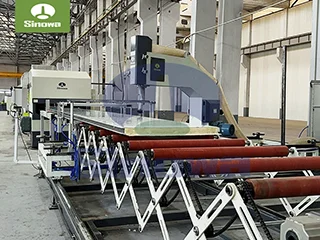
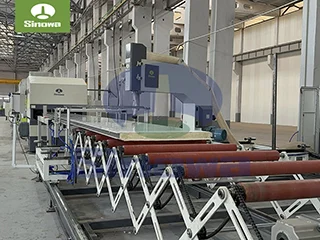
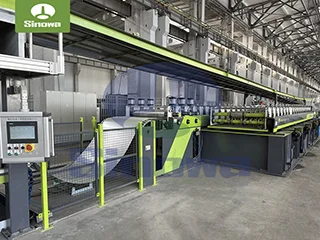
The functionality of a PU sandwich panel machine for roof insulation revolves around a series of integrated processes that transform raw materials into finished panels. The entire production line typically comprises several key components, each responsible for a specific stage of manufacturing. The process begins with the uncoiling of the facing materials. Large rolls of metal sheets (or other facing materials) are fed into the machine through uncoilers, which ensure smooth and continuous feeding. Next, the facing materials undergo a shaping process, where they are passed through a series of rollers to achieve the desired profile. The profiling step is crucial for enhancing the structural rigidity of the panels and can be customized to meet different design requirements, such as corrugated or ribbed surfaces for improved water drainage on roofs.
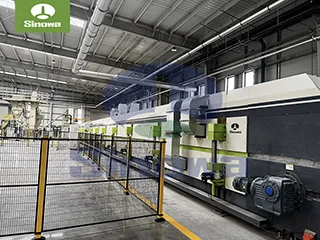
Following the shaping of the facings, the core material preparation and foaming process take place. Polyurethane foam is produced by mixing two main components: isocyanate and polyol, along with additives such as blowing agents, catalysts, and flame retardants. The PU sandwich panel machine is equipped with a high-precision mixing head that uniformly blends these components. The mixture is then continuously sprayed or injected between the two moving facing materials. As the mixture moves forward along the production line, it undergoes a chemical reaction, expanding to form rigid polyurethane foam. This foaming process must be carefully controlled to ensure the foam density is consistent, as variations in density can significantly affect the thermal insulation performance and structural strength of the final panel.
After foaming, the composite panel enters a curing zone. Here, the panel is subjected to controlled temperature and pressure conditions to facilitate the complete curing of the polyurethane foam. Curing is a critical stage, as it ensures the foam bonds firmly with the outer facings, creating a cohesive and durable structure. The length of the curing zone and the temperature settings are tailored to the specific properties of the polyurethane mixture and the production speed. Once fully cured, the panel is fed into a cutting system, which trims the panel to the required length using precision saws or blades. The cutting process is automated to ensure accuracy, minimizing material waste and ensuring that the panels fit seamlessly during installation.
One of the key advantages of PU sandwich panel machines for roof insulation is their high production efficiency. Modern machines are designed to operate continuously, with production speeds ranging from several meters to tens of meters per minute, depending on the panel thickness and material specifications. This high throughput makes them ideal for large-scale construction projects, where timely delivery of insulation materials is crucial. Additionally, the automation of the production process reduces the need for manual labor, lowering labor costs and minimizing the risk of human error. The precision control systems integrated into these machines ensure that each panel meets the required dimensions and performance standards, resulting in consistent quality across the entire production batch.
Versatility is another notable benefit of PU sandwich panel machines. These machines can be adapted to produce panels of varying thicknesses, widths, and lengths, catering to the diverse requirements of different roof designs. For instance, flat roofs may require thicker panels for enhanced insulation, while sloped roofs may benefit from lighter, more rigid panels with specific profiling. The facing materials can also be customized, with options ranging from galvanized steel to aluminum, depending on the aesthetic and functional needs of the project. Furthermore, the foam formulation can be adjusted to modify properties such as fire resistance, sound insulation, and moisture resistance, making PU sandwich panels suitable for use in a wide range of climatic conditions and building types.
Energy efficiency and sustainability are increasingly important considerations in the construction industry, and PU sandwich panel machines contribute to these goals in several ways. Firstly, the PU foam core produced by these machines has excellent thermal insulation properties, which helps reduce the carbon footprint of buildings by lowering energy consumption for heating and cooling. Secondly, modern PU sandwich panel machines are designed to minimize material waste. The precision cutting and foaming processes ensure that raw materials are used efficiently, reducing the amount of scrap generated during production. Additionally, many manufacturers are adopting eco-friendly foam formulations that use low-global-warming-potential (GWP) blowing agents, replacing traditional blowing agents that contribute to climate change. This shift towards sustainable materials aligns with global efforts to reduce greenhouse gas emissions and promote environmentally responsible construction practices.
The application scenarios of PU sandwich panel machines for roof insulation are diverse, spanning residential, commercial, industrial, and public construction projects. In residential buildings, PU sandwich panel roofs are increasingly used in houses, apartments, and villas, as they provide effective thermal insulation and improve indoor comfort. They are particularly suitable for modular homes, where speed of construction and consistent quality are key priorities. In commercial buildings such as shopping malls, office complexes, and hotels, PU sandwich panel roofs help reduce energy costs, which is a major concern for building owners. The lightweight nature of the panels also reduces the structural load on the building, allowing for more flexible design options.
Industrial buildings, including factories, warehouses, and workshops, benefit greatly from PU sandwich panel roofs produced by these machines. Many industrial processes generate heat or require strict temperature control, and the excellent thermal insulation properties of PU panels help maintain stable indoor temperatures, improving working conditions and reducing energy consumption. Additionally, the durability and weather resistance of PU sandwich panels make them suitable for use in harsh industrial environments. Public buildings such as schools, hospitals, and sports facilities also utilize PU sandwich panel roofs, as they offer a balance of performance, cost-effectiveness, and quick installation. In regions with extreme climatic conditions, such as cold northern areas or hot and humid tropical regions, PU sandwich panel roofs provide essential thermal protection, ensuring the comfort and safety of building occupants.
The PU sandwich panel machine industry is constantly evolving, driven by advancements in technology, changing market demands, and growing emphasis on sustainability. One of the key trends in recent years is the integration of smart technology into the production process. Modern PU sandwich panel machines are increasingly equipped with IoT (Internet of Things) sensors and automation systems that allow for real-time monitoring and control of production parameters. These smart systems can track foam density, panel thickness, production speed, and other critical variables, alerting operators to any deviations from the set standards. This not only improves the quality of the final product but also enhances operational efficiency by reducing downtime and minimizing material waste. Some advanced machines also feature remote monitoring capabilities, allowing manufacturers to manage production processes from anywhere, further improving productivity and flexibility.
Another significant trend is the development of more compact and flexible PU sandwich panel machines. As urban construction projects become more constrained in terms of space, there is a growing demand for machines that can be installed in smaller workshops or even on-site. Compact machines offer the same level of performance as larger industrial models but with a smaller footprint, making them ideal for small to medium-sized manufacturers or projects that require on-site production. Additionally, flexible machines that can switch between different panel specifications quickly are gaining popularity, as they allow manufacturers to adapt to changing market demands without investing in multiple specialized machines.
Sustainability continues to be a driving force for innovation in the industry. Manufacturers are focusing on developing machines that use less energy and water during production, as well as foam formulations that are more environmentally friendly. The use of bio-based polyols in PU foam production is one such innovation, reducing reliance on fossil fuels and lowering the carbon footprint of the panels. Additionally, efforts are being made to improve the recyclability of PU sandwich panels, with research into new recycling technologies that can separate the foam core from the outer facings, allowing for the reuse of materials. These sustainable innovations are not only beneficial for the environment but also help manufacturers meet the increasing number of green building standards and regulations worldwide.
The future of PU sandwich panel machines for roof insulation looks promising, with continued growth expected in the global market. The increasing focus on energy-efficient construction, coupled with the growing demand for modular and prefabricated buildings, is likely to drive the adoption of PU sandwich panels and the machines that produce them. Additionally, urbanization in emerging economies is leading to a surge in construction activity, creating new opportunities for manufacturers of PU sandwich panel machines. As technology continues to advance, these machines will become more efficient, intelligent, and sustainable, further solidifying their position as a critical component of the modern construction industry.
In conclusion, PU sandwich panel machines for roof insulation play a vital role in meeting the growing demand for energy-efficient, high-performance building materials. Their ability to produce consistent, high-quality PU sandwich panels with excellent thermal insulation properties, structural integrity, and versatility makes them indispensable in a wide range of construction projects. The key advantages of these machines, including high production efficiency, versatility, and contribution to sustainability, align with the evolving needs of the construction industry. As smart technology integration, compact design, and sustainable innovations continue to shape the industry, PU sandwich panel machines are poised to become even more efficient and environmentally friendly. For builders, manufacturers, and policymakers alike, understanding the functionality and potential of these machines is essential for promoting sustainable, energy-efficient construction practices and creating buildings that are comfortable, durable, and environmentally responsible.
https://www.cnsinowa.com/sandwich-panel-machines/pu-sandwich-panel-machine-for-roof-insulation.html