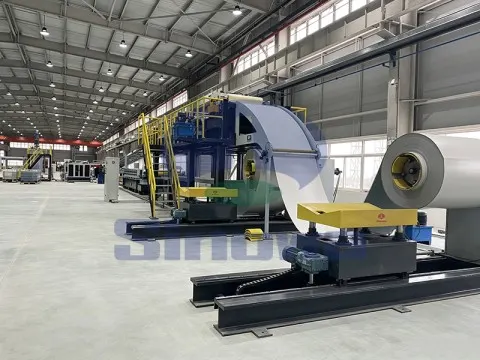
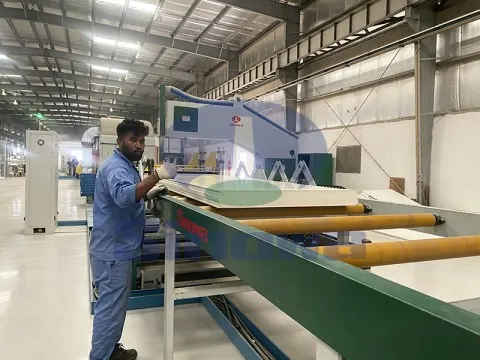
sandwich panel line
At its heart, the PU sandwich panel line for pre-insulated ducts is a continuous, automated manufacturing system engineered to produce composite panels with a three-layer structure: a rigid polyurethane (PU) foam core sandwiched between two protective outer facing layers. Polyurethane foam is selected as the core material for its exceptional thermal insulation properties, boasting an extremely low thermal conductivity rating that minimizes heat transfer between the air inside the duct and the surrounding environment. This closed-cell foam structure not only delivers superior thermal efficiency but also offers inherent moisture resistance, preventing water absorption and mold growth that can compromise duct performance and indoor air quality over time. The outer facing layers, typically crafted from corrosion-resistant metal alloys or specialized foil-based materials, provide essential structural rigidity, protect the delicate foam core from physical damage during transportation and installation, and enhance the overall airtightness of the finished duct panels. The production line is meticulously designed to ensure perfect bonding between the foam core and outer facings, eliminating gaps or delamination that could reduce insulation efficiency or structural integrity, resulting in a unified, high-strength panel that performs reliably under various operational conditions.
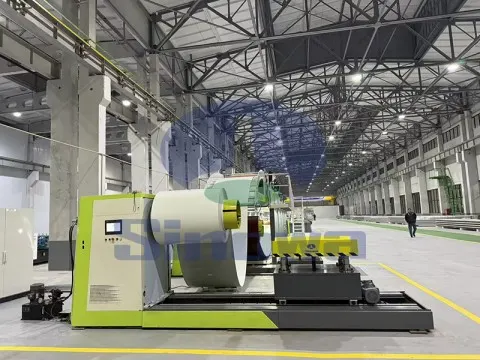
The operational workflow of the PU sandwich panel line is a seamless sequence of synchronized processes, each optimized for precision, speed, and consistency, with minimal human intervention required to maintain production quality. The line begins with the unwinding and preparation of the outer facing materials, which are fed into the system from large coiled rolls. These materials are first leveled and cleaned to remove surface contaminants, ensuring optimal adhesion with the PU foam core during the bonding phase. Next, the facing materials pass through a precision forming station, where they are shaped into the desired profile to match the specifications of pre-insulated duct panels, whether flat sheets or custom contoured designs for specialized duct fittings. Concurrently, the polyurethane raw materials—polyol and isocyanate—are stored in temperature-controlled dispensing units, where they are precisely metered and mixed according to a calibrated formula to achieve the ideal foam density, curing rate, and thermal performance. This mixing process is critical, as it directly impacts the cellular structure of the PU foam, which in turn determines the insulation efficiency and mechanical strength of the final panel.
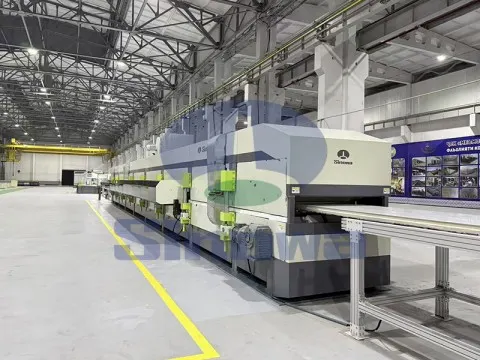
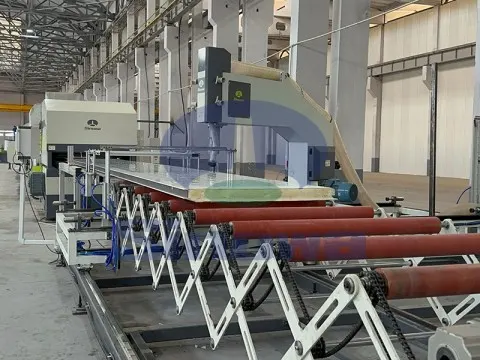
Once the facing materials are properly positioned and the PU foam mixture is ready, the production line moves into the core foaming and laminating stage. The mixed PU raw liquid is evenly dispensed onto the lower facing layer through a precision pouring head, which moves uniformly across the width of the panel to ensure a consistent foam thickness without uneven distribution or air pockets. The upper facing layer is then immediately positioned on top of the wet foam, and the entire assembly enters a continuous laminating press system. This press applies controlled pressure and temperature across the panel surface, accelerating the curing process of the PU foam while pressing the three layers firmly together to create a permanent, cohesive bond. The temperature and pressure settings are carefully regulated throughout this stage to accommodate different panel thicknesses, foam densities, and facing material types, ensuring that the foam cures evenly and fully without warping, bubbling, or bonding failures. As the panel advances through the laminating section, the PU foam undergoes a rapid chemical reaction, expanding to fill the entire cavity between the two facings and solidifying into a rigid, closed-cell insulation core that locks in thermal efficiency and structural stability.
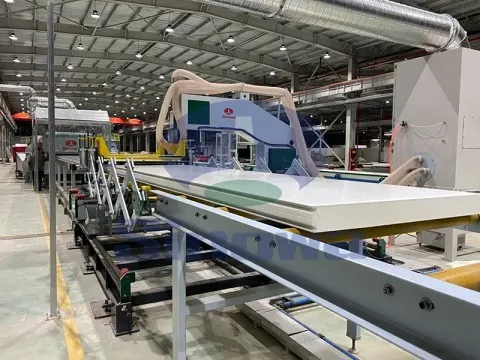
After the laminating and curing process is complete, the semi-finished PU sandwich panels proceed to the finishing and cutting stations of the production line, where they are transformed into ready-to-use pre-insulated duct components. A precision trimming system removes any excess material from the panel edges, creating clean, uniform sides that facilitate tight, seamless connections during duct assembly. The panels then move through an automatic cutting unit, which uses high-precision cutting tools to slice the continuous panel strip into custom lengths based on pre-programmed specifications. This cutting process is highly flexible, allowing manufacturers to produce panels of varying sizes to suit different duct dimensions, from small residential ventilation ducts to large-scale industrial air distribution systems. Some advanced iterations of the production line also include additional finishing steps, such as surface treatment to enhance corrosion resistance or edge sealing to further boost airtightness, adding extra value to the finished panels without compromising production efficiency. Throughout every stage of the workflow, integrated monitoring systems track key production parameters, including material feed speed, foam mixing ratio, curing temperature, and panel dimensions, making real-time adjustments to maintain consistent quality and minimize waste.
One of the most significant advantages of the PU sandwich panel line for pre-insulated ducts is its ability to deliver unparalleled product consistency, a benefit that stands in stark contrast to traditional hand-fabricated ductwork. Manual duct construction often suffers from variations in insulation thickness, uneven material application, and weak seals, leading to heat loss, air leakage, and reduced HVAC system efficiency. In contrast, the automated nature of the PU sandwich panel line eliminates human error, ensuring that every panel meets strict dimensional tolerances, insulation performance standards, and structural quality benchmarks. Each panel produced has a uniform foam core density, consistent bonding strength, and precise edge finishing, meaning that contractors and installers can rely on consistent product quality across entire projects, simplifying assembly and reducing the risk of performance issues post-installation. This consistency also translates to predictable long-term performance, as the panels maintain their thermal insulation and structural integrity over years of use, without degradation or deterioration that plagues lower-quality, manually produced ductwork.
Beyond consistent quality, the PU sandwich panel line drives substantial gains in production efficiency and cost-effectiveness for manufacturers, while also delivering tangible benefits to end users in the construction and HVAC sectors. The continuous, automated operation of the line enables high-volume production output, far exceeding the productivity of manual fabrication methods, allowing manufacturers to meet large project demands with shorter lead times. The streamlined production process also reduces material waste significantly, as precise metering of PU raw materials and accurate cutting of panels minimize scrap and unused materials, lowering overall production costs and aligning with sustainable manufacturing principles. For construction teams and HVAC installers, the pre-insulated panels produced by this line eliminate the need for on-site insulation installation, a time-consuming and labor-intensive step that often delays project timelines. Instead, the panels can be quickly cut, shaped, and assembled into ductwork on-site, reducing labor hours, speeding up project completion, and minimizing disruption to building operations. Additionally, the lightweight nature of PU sandwich panel ducts eases handling and transportation, reducing the need for heavy lifting equipment and lowering the risk of workplace injuries during installation.
The thermal performance of pre-insulated ducts manufactured via this production line is another standout feature, making them a preferred choice for energy-conscious building projects. The closed-cell PU foam core provides exceptional thermal resistance, preventing heat gain in warm climates and heat loss in cold environments, which directly reduces the energy consumption of HVAC systems. By minimizing thermal transfer, these ducts help maintain consistent air temperatures throughout the ventilation system, reducing the workload on heating and cooling equipment and lowering long-term energy bills for building owners. The airtight construction of the panels, enabled by the seamless bonding of the three layers and precision edge finishing, also minimizes air leakage, a common issue with traditional ductwork that can waste up to a significant portion of HVAC energy. This combination of superior thermal insulation and airtightness not only boosts energy efficiency but also improves indoor air quality by reducing the infiltration of dust, pollutants, and unconditioned air into the ventilation system, creating healthier and more comfortable indoor environments for occupants.
The versatility of the PU sandwich panel line further expands its industrial relevance, as it can be adapted to produce pre-insulated duct panels for a wide range of applications and operating conditions. Manufacturers can adjust the production parameters to create panels with varying thicknesses, foam densities, and facing material options, catering to specific project requirements such as high-temperature industrial ventilation, moisture-prone commercial kitchens, or corrosion-resistant marine and coastal infrastructure. The panels can also be customized with specialized surface treatments or coatings to enhance durability in harsh environments, such as areas with high humidity, chemical exposure, or extreme temperature fluctuations. This adaptability makes the production line suitable for serving diverse sectors, including commercial real estate, healthcare facilities, educational institutions, manufacturing plants, logistics warehouses, and residential developments, each with unique ventilation and insulation needs. Whether for small-scale renovation projects or large-scale new construction, the pre-insulated ducts produced by this line offer a flexible, reliable solution that aligns with modern building codes and sustainability goals.
In addition to its operational and performance benefits, the PU sandwich panel line supports broader industry trends toward sustainable and eco-friendly construction practices. The energy-efficient nature of the pre-insulated ducts helps reduce greenhouse gas emissions associated with building HVAC operations, as less energy is required to heat or cool air distributed through the ductwork. The production process itself is designed to minimize environmental impact, with efficient material usage, reduced waste generation, and controlled handling of PU raw materials to prevent emissions or contamination. Unlike some traditional insulation materials that may degrade over time and require replacement, PU foam cores are highly durable and resistant to wear, moisture, and mold, extending the service life of pre-insulated ducts and reducing the need for frequent replacements. This longevity not only reduces material waste but also lowers the overall environmental footprint of building ventilation systems over their lifecycle, making the PU sandwich panel line a key contributor to green building initiatives and circular economy practices in the construction industry.
As the global construction industry continues to evolve, with a growing emphasis on energy efficiency, rapid construction timelines, and high-performance building materials, the PU sandwich panel line for pre-insulated ducts is poised to play an increasingly vital role. The ongoing advancements in automation technology, material science, and production engineering are further enhancing the capabilities of these production lines, with newer models offering even greater precision, faster production speeds, and enhanced flexibility to meet evolving market demands. Manufacturers are also focusing on refining the production process to improve worker safety, reduce maintenance requirements, and optimize energy consumption during manufacturing, making the lines more sustainable and cost-effective to operate. For HVAC engineers, contractors, and building designers, the availability of high-quality, consistent pre-insulated duct panels from these production lines simplifies project planning, ensures compliance with performance standards, and delivers long-term value to building owners.
In conclusion, the PU sandwich panel line for pre-insulated ducts represents a pivotal advancement in HVAC duct manufacturing, merging cutting-edge automation, premium material performance, and sustainable production practices to redefine industry standards. By streamlining the creation of high-performance pre-insulated duct panels, this production line addresses the key shortcomings of traditional duct fabrication methods, delivering consistent quality, exceptional thermal efficiency, and unparalleled durability. Its impact extends across the entire construction ecosystem, from manufacturers benefiting from increased productivity and reduced waste, to installers enjoying simplified on-site work and faster project completion, to building owners reaping the rewards of lower energy costs and long-lasting ventilation systems. As the demand for energy-efficient, sustainable building solutions continues to grow, the PU sandwich panel line will remain an essential asset, driving innovation and excellence in the production of pre-insulated ducts and supporting the development of smarter, greener built environments worldwide.
Sinowa is a professional manufacturer of sandwich panel machine in china, we provide diversified and high-performance sandwich panel production lines, including fully automatic continuous PU sandwich panel line and customized special lines to meet mass production and personalized order demands. These sandwich panel lines support processing multiple foam core materials, such as PU, PIR, mineral wool, rock wool and glass wool, covering different insulation and fireproof standards.
Featuring stable operation, high efficiency, energy saving and easy maintenance, our PU sandwich panel line deliver sandwich panels with excellent thermal insulation, fire resistance, sound insulation and lightweight durability. The finished panels are widely applied in industrial workshops, warehouse roofing and wall cladding, cold storage insulation, serving global construction and industrial insulation markets.
https://www.cnsinowa.com/sandwich-panel-machines/pu-sandwich-panel-line-for-pre-insulated-duct.html