sandwich panel line
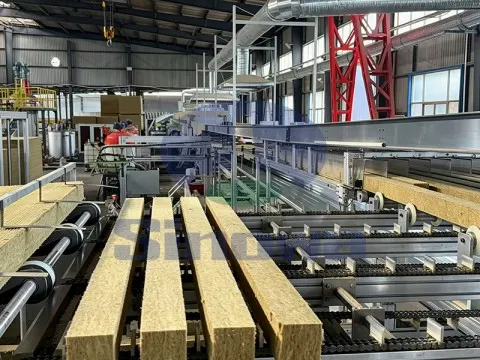
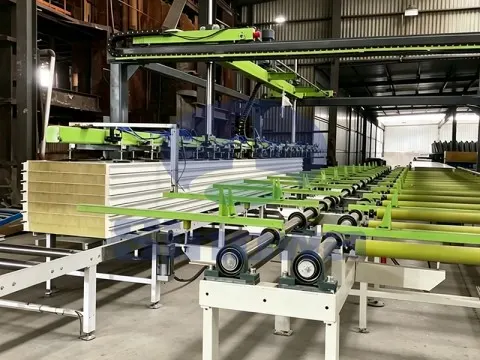
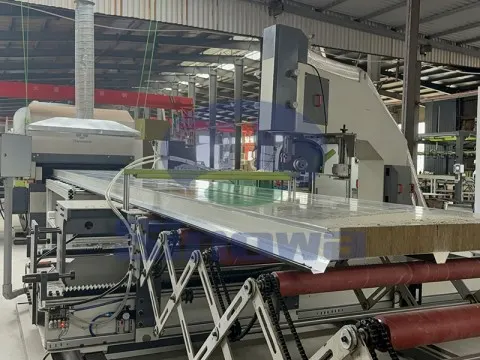
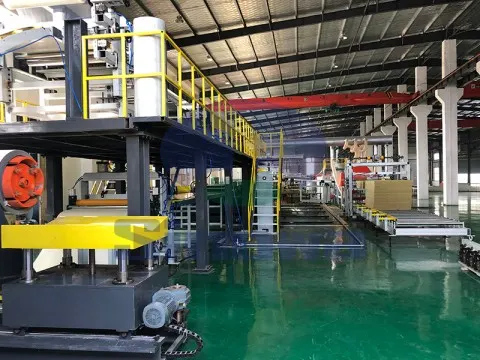
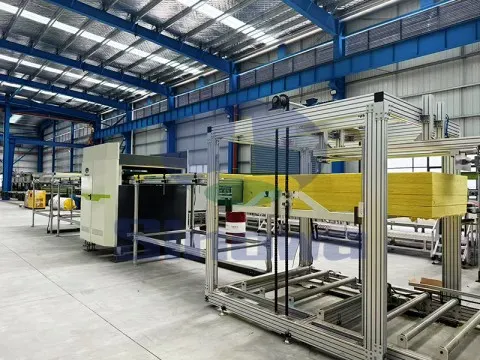
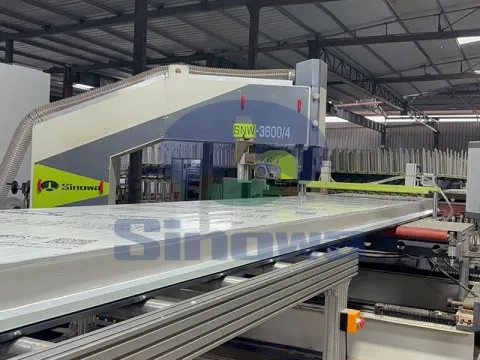
The overall structural design of a long-service-life rock wool sandwich panel production line follows the concepts of mechanical stability, structural optimization and wear resistance. The entire production line consists of multiple interconnected functional units, including raw material feeding systems, surface plate forming mechanisms, rock wool core material processing devices, high-pressure bonding systems, constant-temperature curing units, fixed-length cutting mechanisms and finished product conveying structures. Every functional module is designed with durability as the core benchmark, and the main load-bearing components are made of high-strength metal materials with outstanding compression resistance, deformation resistance and corrosion resistance. Unlike ordinary production lines that adopt thin-walled simple structures, the frame connection parts of long-service-life production lines use integrated casting and welding processes to avoid structural loosening and component deformation caused by long-term mechanical vibration. In the daily production process, the equipment needs to bear continuous mechanical friction, pressure impact and temperature changes, and the optimized mechanical structure can effectively disperse mechanical stress, preventing local fatigue damage of components and laying a solid foundation for long-term stable operation.
Raw material processing is the initial link of the entire production flow, and the feeding and pretreatment subsystem of durable production lines has obvious optimization characteristics. The surface plates of rock wool sandwich panels are usually metal plates with smooth surface and uniform thickness, and the automatic feeding device is equipped with buffer damping structures to reduce rigid impact during plate unreeling. This design avoids scratches and deformation of metal raw materials on the one hand, and lowers the vibration loss of transmission gears and rolling bearings on the other hand. For rock wool core materials, the production line is equipped with professional fiber arrangement and laying equipment, which can arrange rock wool strips in a vertical fiber direction and compact the internal gap of the core material. The chemical composition of rock wool raw materials contains silicon dioxide, calcium oxide and aluminum oxide, which gives the core material natural high-temperature resistance and corrosion resistance. The precise laying structure inside the sandwich panel production line ensures that the rock wool core material is evenly distributed, reduces local stress concentration during composite molding, and indirectly reduces the operating load of subsequent composite processing equipment. All transmission parts in the feeding link are equipped with sealed protective structures to isolate dust, moisture and corrosive impurities in the production environment, preventing abrasive wear of precision transmission components.
The molding and composite bonding system is the core functional section of the continuous sandwich panel production line, and also the key part that determines the service life of the equipment. High-quality rock wool sandwich panels rely on stable bonding between metal surface plates and rock wool core materials, and long-service-life production lines adopt graded high-pressure rolling and constant-temperature curing integrated molding technology. The rolling pressure is controlled within a stable numerical range through mechanical hydraulic regulation, which can realize micro-level fitting between raw materials without causing excessive pressure damage to internal mechanical parts. The internal glue spraying mechanism uses an anti-blocking circulating pipeline structure. The adhesive is evenly coated on the inner surface of the metal plate through quantitative spraying, and the residual adhesive in the pipeline can be automatically cleaned after shutdown, avoiding pipeline blockage and component corrosion caused by adhesive solidification. In the curing stage, the production line adopts gradient temperature control technology. The internal temperature of the curing chamber rises and falls steadily, which not only ensures that the adhesive forms a stable physical and chemical bonding structure, but also prevents thermal expansion and contraction of metal components from causing structural fatigue. The surface of the pressure roller and curing mold is treated with high-temperature wear-resistant coating, which can resist long-term friction and high-temperature erosion, maintaining the flatness and processing accuracy of the molding surface for a long time.
The intelligent control and transmission system further enhances the durability and operational stability of the production line. Modern long-service-life rock wool sandwich panel line is equipped with integrated programmable control systems and human-computer interaction touch screens. The control system can automatically monitor the operating parameters of each component, including operating speed, processing pressure, curing temperature and raw material consumption. When abnormal data such as excessive component temperature and abnormal transmission resistance occurs, the system will trigger automatic early warning and perform low-load protection operation to avoid component burnout caused by sudden failures. The transmission system adopts synchronous chain and gear combination transmission mode, with built-in lubrication circulation devices. The lubricating oil can be automatically circulated and filtered to keep the transmission parts in a low-friction operating state for a long time. Compared with ordinary transmission structures that require frequent manual refueling, the closed circulating lubrication system reduces human intervention errors and avoids component wear and aging caused by insufficient lubrication. In addition, the control system has a memory storage function for production parameters, which can quickly switch production specifications of different plate thicknesses and rock wool densities, realizing flexible production while avoiding mechanical impact caused by frequent parameter adjustment.
Reasonable heat dissipation and dust removal design is an important auxiliary measure to extend the service life of the production line. A large amount of rock wool dust and tiny metal debris will be generated during the processing of rock wool core materials and metal plates. If these impurities accumulate on the surface and gaps of mechanical components for a long time, they will cause abrasive wear of bearings, gears and sliding parts, and even affect the heat dissipation of electrical control components. Long-service-life production lines are equipped with centralized dust removal devices at key processing positions. Negative pressure dust collection technology is used to collect production dust in a centralized manner, keeping the internal operating environment of the equipment clean. For high-heat components such as hydraulic motors and heating pipelines, the equipment is designed with natural air convection heat dissipation grooves and auxiliary heat dissipation fans. The heat generated during long-term operation can be quickly discharged to avoid equipment aging and circuit failure caused by long-term high-temperature accumulation. All electrical components are installed in sealed waterproof and dustproof electrical cabinets, which can adapt to complex industrial production environments with high humidity and high dust, reducing the failure rate of electrical circuits.
Scientific daily maintenance and optimized structural maintainability are essential to maintain the long-term service performance of the continuous sandwich panel line. The structural layout of durable production lines fully considers the convenience of later maintenance. The detachable combined structure is adopted for easily worn parts such as transmission bearings and sealing gaskets, which facilitates quick replacement and reduces maintenance time and labor costs. The key operating components are marked with wear scales, which can visually display component aging degree and remind operators of regular replacement. In terms of daily maintenance, regular cleaning of dust and residual adhesives on the equipment surface, regular inspection of the tightness of connecting bolts and the lubrication state of transmission parts are required. It is also necessary to regularly calibrate the pressure parameters and cutting accuracy of the molding system to ensure that the equipment always maintains high processing precision. Under standardized maintenance procedures, the main components of the production line can maintain stable operating performance for a long time, and the overall service cycle is significantly longer than that of ordinary simple production lines.
In terms of industrial application, long-service-life rock wool sandwich panel line has significant economic and practical advantages. In the construction industry, rock wool sandwich panels are widely used in factory workshops, cold storage buildings, public facility partitions and exterior wall thermal insulation projects. The stable output of high-quality panels depends on the continuous operation capability of production equipment. Production lines with short service life are prone to frequent failures, which will lead to production stagnation, delayed delivery orders and increased maintenance costs. In contrast, durable production lines can realize uninterrupted continuous production for a long time, maintain stable product flatness, bonding firmness and thermal insulation performance, and reduce the defective rate caused by equipment failure. For production enterprises, the long-term use of a single durable production line can avoid repeated equipment procurement and installation costs, optimize capital allocation, and improve the overall profit margin of production operations. At the same time, the stable processing performance of the equipment can meet the customized production needs of different plate thicknesses and specifications, adapting to the diversified development trend of the building materials market.
With the continuous upgrading of industrial manufacturing technology, the technical optimization direction of rockwool sandwich panel production line is gradually leaning towards higher durability, lower energy consumption and stronger intelligence. The new generation of long-service-life production lines further optimizes the material selection of wearing parts, adopts composite alloy materials with stronger corrosion resistance and fatigue resistance, and combines intelligent monitoring sensors to realize real-time tracking of component aging status. The energy-saving transformation of the heating system and transmission structure reduces unnecessary energy consumption during operation, making the equipment more in line with the requirements of green industrial production. In the future, with the continuous improvement of building energy conservation and fire protection standards, the market demand for high-quality rock wool sandwich panels will continue to grow, and durable production lines will become the mainstream configuration of building materials production enterprises. Through continuous structural optimization, material upgrading and intelligent iteration, the service life and operating efficiency of the production line will be further improved, providing stable technical support for the sustainable development of the building materials industry.
In conclusion, a rock wool sandwich panel production line with long service life integrates optimized mechanical structure, stable composite molding technology, intelligent control system and perfect auxiliary protection design. Its advantages are reflected in low failure rate, strong environmental adaptability, convenient maintenance and long-term stable production capacity. From raw material feeding to finished product output, every processing link is optimized for durability, effectively resisting mechanical wear, temperature erosion and environmental corrosion in industrial production. For manufacturing enterprises, selecting such production equipment can effectively reduce comprehensive operating costs, stabilize product quality and enhance market competitiveness. With the continuous development of the construction industry and building materials manufacturing technology, long-service-life rock wool sandwich panel production lines will continue to exert important application value, promote the standardized and high-quality development of the sandwich panel manufacturing industry, and provide reliable material processing guarantees for modern construction engineering.
Sinowa is a professional manufacturer of sandwich panel machine in china, we provide diversified and high-performance sandwich panel production lines, including fully automatic continuous PU sandwich panel line and customized special lines to meet mass production and personalized order demands. These sandwich panel lines support processing multiple foam core materials, such as PU, PIR, mineral wool, rock wool and glass wool, covering different insulation and fireproof standards.
Featuring stable operation, high efficiency, energy saving and easy maintenance, our PU sandwich panel line deliver sandwich panels with excellent thermal insulation, fire resistance, sound insulation and lightweight durability. The finished panels are widely applied in industrial workshops, warehouse roofing and wall cladding, cold storage insulation, serving global construction and industrial insulation markets.
https://www.cnsinowa.com/sandwich-panel-machines/rock-wool-sandwich-panel-production-line-with-long-service-life.html