sandwich panel machine
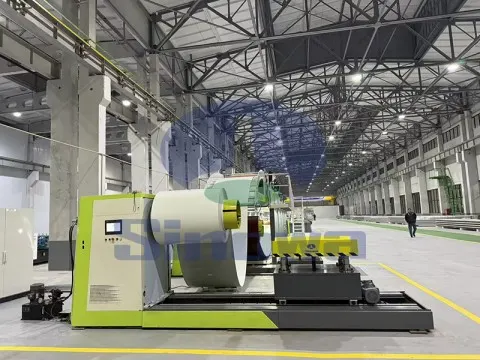
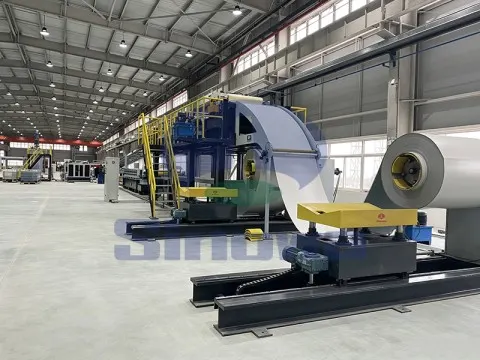
To fully grasp the transformative impact of the material level monitoring system, it is critical to first understand the core structure and operational workflow of the PU sandwich panel making machine. This automated production line is a meticulously engineered assembly of interconnected modules, each designed to execute a specialized stage of the panel manufacturing process with synchronized precision. The journey of panel production begins with the uncoiling and pretreatment of outer facing materials, typically metal coils such as steel or aluminum, which are fed through tension control mechanisms and leveling rollers to eliminate wrinkles, deformities, and misalignments accumulated during storage and transit. This preliminary stage is vital, as any imperfections in the facing materials can compromise the structural stability and aesthetic quality of the finished panels, as well as the bonding strength between the outer layers and the PU foam core. Following leveling, the facings often undergo controlled preheating to optimize surface conditions for adhesion, ensuring a robust, long-lasting bond with the foam core that resists delamination under thermal stress and mechanical pressure.
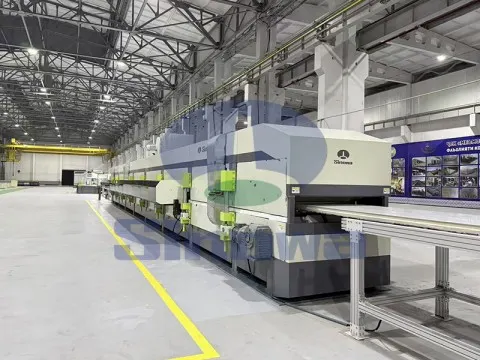
Moving forward, the preprocessed facing materials advance steadily toward the core foaming and lamination module, the most critical phase of PU sandwich panel production. This stage relies on the precise mixing and dispensing of PU raw materials, primarily polyol and isocyanate, alongside specialized additives including catalysts, foaming agents, flame retardants, and curing agents. These chemical components are stored in separate sealed storage tanks to maintain their purity and chemical stability, as even minor contamination or inconsistent dosing can alter the foam’s cellular structure, density, and performance properties. The machine’s high-pressure metering system regulates the flow and ratio of these raw materials with microscopic precision, delivering a homogeneous mixture to the automated mixing head. The blended PU compound is then evenly distributed between the upper and lower facing materials, which proceed into a double-belt laminating system. This system applies consistent pressure and maintains a precisely controlled temperature environment to facilitate optimal foaming, expansion, and curing of the PU core, locking in uniform density, smooth panel surfaces, and consistent thickness across every production run.
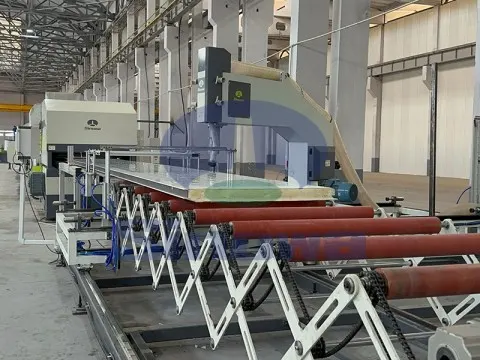
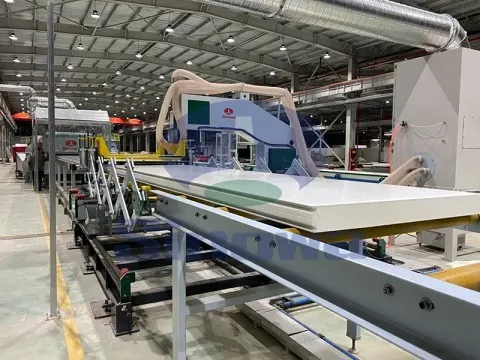
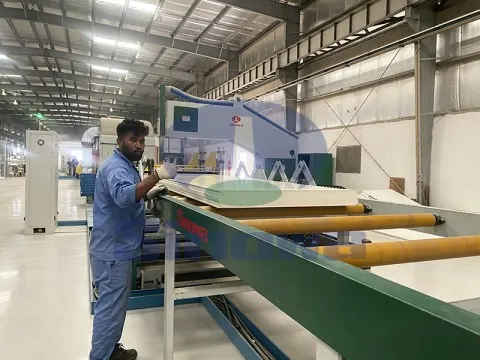
Once the PU foam has fully cured and bonded with the facing materials, the continuous panel strip moves through precision cutting stations, where it is trimmed to specified lengths and dimensions tailored to diverse project requirements. Post-cutting, finished panels are conveyed to stacking and handling stations, ready for storage, packaging, and distribution to end-users. This streamlined, automated workflow minimizes manual intervention, reduces labor-intensive tasks, and boosts overall production throughput, but its efficiency is inherently dependent on the steady, uninterrupted supply of raw materials. Even brief disruptions in material flow—such as insufficient polyol or isocyanate levels, inconsistent additive dosing, or unexpected material shortages—can trigger costly production halts, uneven foam formation, substandard panel quality, and excessive material waste. In conventional setups, manual material level checks are prone to human error, delays, and inaccuracies, creating bottlenecks that undermine the machine’s automated capabilities and erode profit margins. This is where the integration of a dedicated material level monitoring system becomes not just a luxury, but a necessity for sustainable, high-performance production.
The material level monitoring system integrated into the PU sandwich panel making machine is a state-of-the-art intelligent solution engineered to deliver real-time, accurate tracking of raw material volumes across all storage vessels, from main PU component tanks to additive reservoirs. Unlike outdated manual monitoring methods that rely on periodic visual inspections or manual dipstick measurements, this system operates continuously, capturing dynamic data on material levels without disrupting production flow or requiring constant operator oversight. Built around high-precision sensing technologies—including non-contact radar sensors, ultrasonic detectors, and radio frequency admittance devices—the system is engineered to thrive in the demanding industrial environment of panel manufacturing, where dust, temperature fluctuations, and chemical vapors are commonplace. These sensors are calibrated to filter out environmental interference, ensuring stable, reliable readings regardless of operating conditions, and are compatible with a wide range of raw materials, from viscous liquid PU components to powdered or granular additives.
At its core, the material level monitoring system functions by transmitting targeted signals to the surface of stored raw materials and analyzing the reflected signals to calculate exact material volumes, levels, and remaining usage time. This data is instantly transmitted to a centralized control interface, typically a user-friendly touchscreen panel integrated into the machine’s main control console, where operators can access clear, intuitive visualizations of material statuses. The system is programmed with customizable threshold settings, enabling proactive alerts for low material levels, near-empty reservoirs, and overfill risks. When material levels approach predefined minimum thresholds, the system triggers timely notifications—visual, auditory, or even remote digital alerts—prompting operators to initiate material replenishment before shortages occur. This proactive approach eliminates unplanned production downtime, a major pain point in traditional manufacturing, and ensures the continuous, smooth operation of the PU sandwich panel making machine. Additionally, the system’s overfill protection capabilities prevent material spillage, waste, and safety hazards associated with excessive tank filling, fostering a safer, more sustainable production environment.
Beyond real-time monitoring and alerting, the system offers advanced data logging and analytical functionalities that drive data-driven operational optimization. It automatically records comprehensive historical data on material consumption patterns, usage rates, replenishment frequencies, and inventory turnover, compiling this information into actionable reports and trend analyses. Production managers can leverage this data to identify inefficiencies, forecast material demand with greater accuracy, optimize inventory management strategies, and streamline supply chain logistics. By aligning material orders with actual consumption trends, manufacturers can reduce excess inventory holding costs, eliminate stockouts, and minimize waste from expired or unused raw materials—key benefits for enhancing cost efficiency and environmental sustainability. The system also supports seamless integration with the machine’s central automated control system, enabling closed-loop operational adjustments. In some advanced configurations, the system can trigger automated material replenishment processes or fine-tune production speeds based on available material volumes, creating a fully synchronized, self-regulating production ecosystem that reduces reliance on manual decision-making.
The impact of integrating a material level monitoring system into the PU sandwich panel making machine extends far beyond operational efficiency, profoundly enhancing product quality consistency—a critical factor in maintaining competitive advantage in the construction materials market. PU foam quality is highly sensitive to raw material dosing accuracy; even minor fluctuations in material supply can lead to uneven foam density, weak bonding between layers, inconsistent panel thickness, or compromised thermal insulation performance. By maintaining stable, optimal material levels at all times, the monitoring system ensures the machine’s metering and mixing systems operate under ideal conditions, delivering uniform raw material ratios throughout every production cycle. This consistency translates to panels with uniform physical properties, reliable insulation performance, and strict adherence to industry quality benchmarks, batch after batch. Manufacturers can uphold stringent quality standards without the need for extensive post-production inspections or rework, reducing defective product rates and enhancing brand reputation for reliability.
Safety and operational sustainability also receive a significant boost from the integrated monitoring system. PU raw materials are chemical substances that require careful handling and storage to prevent leaks, spills, and workplace hazards. The system’s continuous oversight eliminates the need for frequent manual tank inspections, reducing operator exposure to potentially hazardous materials and minimizing the risk of accidents associated with manual material handling. By preventing material overflow and leaks, the system also reduces chemical waste, lowers environmental impact, and promotes compliance with sustainable manufacturing practices. Furthermore, the reduction in unplanned downtime and production interruptions extends the service life of the PU sandwich panel making machine, as consistent, stable operation reduces mechanical stress, wear and tear, and the likelihood of equipment breakdowns. This translates to lower maintenance costs, fewer repair delays, and a higher return on investment over the equipment’s operational lifespan.
In an industry marked by rapid technological advancement and shifting market demands, the PU sandwich panel making machine equipped with a material level monitoring system represents a pivotal shift toward smart, sustainable manufacturing. As global construction standards grow stricter and demand for energy-efficient building materials surges, manufacturers face mounting pressure to enhance productivity, reduce costs, and elevate product quality without compromising on safety or environmental responsibility. Traditional production setups, limited by manual monitoring and reactive material management, struggle to meet these evolving expectations, often falling short in scalability, consistency, and efficiency. In contrast, the integration of intelligent material level monitoring positions manufacturers to adapt seamlessly to market fluctuations, scale production to meet demand, and maintain a competitive edge in a crowded marketplace.
This technological synergy also aligns with the broader industry trend toward digitalization and smart factory implementation. The material level monitoring system serves as a key component of a connected production ecosystem, facilitating data sharing, remote monitoring, and process automation that are hallmarks of modern industrial manufacturing. Operators and managers can oversee material statuses and production workflows remotely, enabling flexible workforce management and faster response times to operational issues. Smaller manufacturers, in particular, benefit from this technology, as it levels the playing field by providing access to high-precision quality control and operational efficiency tools that were once limited to large-scale industrial facilities. By reducing waste, optimizing resource utilization, and streamlining operations, even mid-sized production facilities can enhance their market competitiveness and expand their reach into regional and global supply chains.
Looking ahead, the evolution of PU sandwich panel manufacturing equipment will continue to center on enhanced intelligence, automation, and integration, with material level monitoring systems evolving alongside these advancements. Future iterations will likely feature even more compact sensing technologies, deeper integration with artificial intelligence for predictive maintenance and demand forecasting, and enhanced connectivity to align with broader industrial internet of things (IIoT) frameworks. These developments will further refine production efficiency, reduce operational costs, and strengthen quality control, reinforcing the role of PU sandwich panels as a cornerstone of sustainable construction. For manufacturers, investing in a PU sandwich panel making machine with a robust material level monitoring system is not merely a tactical upgrade to existing equipment; it is a strategic decision that drives long-term growth, operational resilience, and market relevance.
In summary, the PU sandwich panel machine, enhanced by a cutting-edge material level monitoring system, stands as a testament to the power of integrating mechanical engineering innovation with intelligent sensing technology. It addresses core operational challenges in raw material management, production stability, and quality control, delivering tangible benefits including reduced downtime, minimized material waste, consistent product quality, enhanced workplace safety, and improved cost efficiency. As the demand for high-performance, energy-efficient PU sandwich panels continues to rise across global construction and industrial sectors, this integrated equipment will remain an essential asset for manufacturers striving to meet market needs with precision, reliability, and sustainability. By prioritizing intelligent monitoring and automated process control, manufacturers can unlock new levels of operational excellence, ensuring their place at the forefront of the evolving building materials industry for years to come.
Sinowa is a professional manufacturer of sandwich panel machine in china, we provide diversified and high-performance sandwich panel production lines, including fully automatic continuous PU sandwich panel line and customized special lines to meet mass production and personalized order demands. These sandwich panel lines support processing multiple foam core materials, such as PU, PIR, mineral wool, rock wool and glass wool, covering different insulation and fireproof standards.
Featuring stable operation, high efficiency, energy saving and easy maintenance, our PU sandwich panel line deliver sandwich panels with excellent thermal insulation, fire resistance, sound insulation and lightweight durability. The finished panels are widely applied in industrial workshops, warehouse roofing and wall cladding, cold storage insulation, serving global construction and industrial insulation markets.
https://www.cnsinowa.com/sandwich-panel-machines/pu-sandwich-panel-making-machine-with-material-level-monitoring-system.html