sandwich panel line
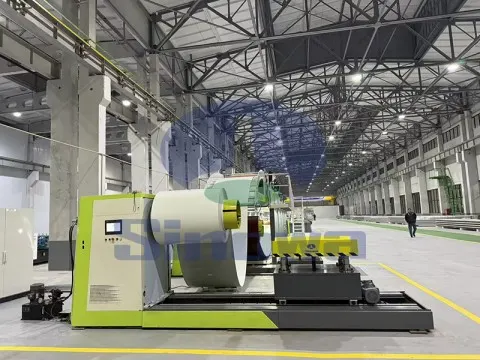
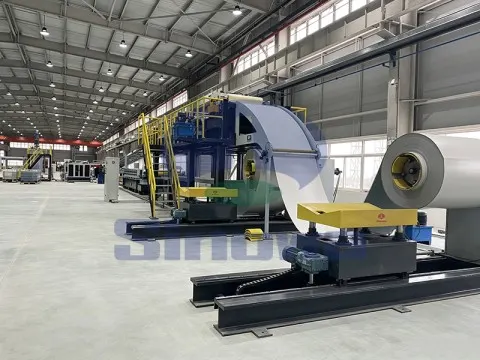
At its core, a PU sandwich panel production line operates on a continuous processing principle, orchestrating a series of interconnected stages that convert raw facing materials and polyurethane foam components into uniform, finished panels without interruption. The process begins with the handling and preparation of outer facing materials, typically metal coils or other rigid substrates, which are fed into the line through automated decoiling units. These units unwind the coiled materials with controlled tension, preventing warping, creasing, or misalignment that could compromise the integrity of the final product, before passing the flat sheets through leveling and pre-treatment stations. The leveling rollers refine the surface flatness of the facings, removing minor deformations accumulated during storage and transit, while pre-treatment modules prepare the material surfaces to enhance bonding with the PU foam core, ensuring a strong, long-lasting adhesion between the outer layers and the internal insulation matrix. This initial phase relies heavily on rotating components, conveyor belts, and precision mechanical parts, all of which demand consistent, reliable lubrication to operate smoothly under the constant stress of continuous production.
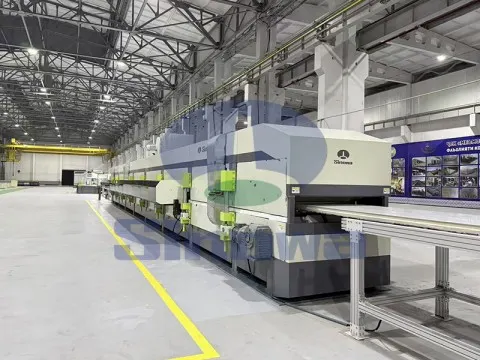
Following the preparation of facing materials, the line moves into the critical core formation stage, where polyurethane foam is mixed, injected, and cured to create the insulating center of the sandwich panel. Specialized metering systems handle the precise dispensing of polyurethane raw materials—polyol and isocyanate—along with targeted additives that tailor the foam’s density, thermal conductivity, and structural strength to meet specific application requirements. These materials are blended at high pressure in a controlled mixing head to initiate the chemical reaction that generates foam, which is then evenly distributed between the two prepped facing layers as they move synchronously through the line. The assembled panel sandwich then enters a double-belt laminating system, where uniform heat and pressure are applied to facilitate full foam expansion, curing, and bonding. This section of the line features complex mechanical systems, including driven belts, pressure rollers, heating elements, and precision adjustment mechanisms, all operating in tandem to maintain consistent panel thickness, foam density, and layer adhesion. The high-speed, continuous operation of these components generates significant friction and heat, creating a critical need for effective lubrication to prevent premature wear, overheating, and mechanical failure that could halt production or degrade product quality.
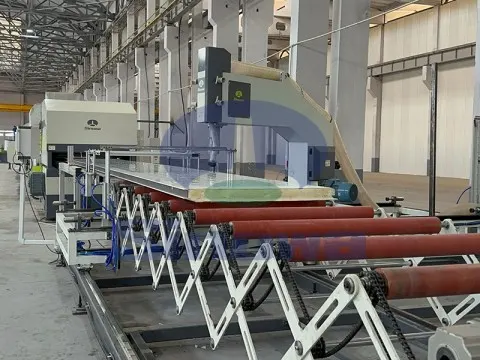
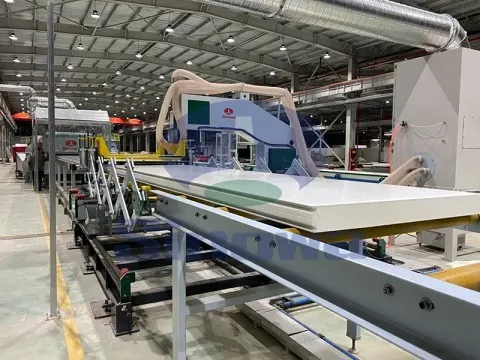
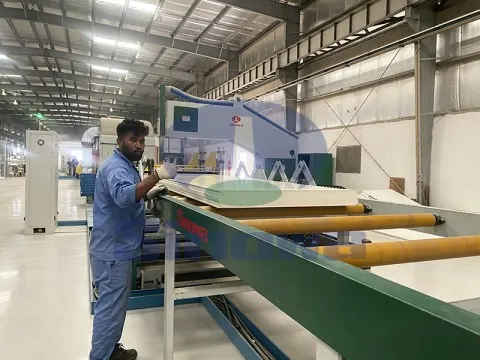
Once the PU foam core is fully cured and bonded to the facing materials, the continuous panel strip proceeds through post-processing stages that refine the product to exact specifications. These stages include edge trimming to remove excess material and achieve clean, uniform edges, profiling to create custom shapes or interlocking edges for seamless installation, and cross-cutting to divide the continuous panel into predetermined lengths suitable for shipping and on-site use. Automated handling and stacking systems then collect the finished panels, arranging them for storage or direct transport, completing the end-to-end production cycle. Each post-processing function relies on moving parts such as cutting blades, drive motors, conveyor chains, and pneumatic or hydraulic actuators, which operate with high precision and repetitive motion. Without consistent lubrication, these components are prone to friction-related damage, misalignment, and reduced operational accuracy, leading to irregular panel cuts, uneven edges, and increased waste of raw materials—issues that directly impact production profitability and overall output quality.
This is where the implementation of a centralized lubrication system transforms the performance and longevity of the PU sandwich panel manufacturing line, replacing inefficient manual lubrication practices with a fully automated, precision-controlled solution that caters to the unique demands of continuous composite panel production. A centralized lubrication system is engineered to deliver measured, consistent doses of lubricant to every critical friction point across the entire production line from a single, central reservoir, eliminating the inconsistencies, oversights, and safety risks associated with manual lubrication. Unlike manual methods, which often result in over-lubrication that causes excess residue, contamination, and wasted lubricant, or under-lubrication that leaves components vulnerable to wear and tear, the centralized system uses calibrated metering valves and controlled flow rates to ensure each bearing, gear, roller, and conveyor joint receives exactly the right amount of lubricant at the optimal interval. This precision not only maximizes lubricant efficiency but also creates a stable, low-friction operating environment for all moving parts, even during extended, non-stop production shifts.
The design of the centralized lubrication system is fully adaptable to the layout and operational needs of a PU sandwich panel line, with flexible tubing networks that route lubricant to hard-to-reach components, such as those within the laminating system, trimming stations, and decoiling units, which are often difficult to access safely during production. This comprehensive coverage ensures no critical lubrication point is neglected, a key advantage in a production line where even a single component failure can trigger a full line shutdown. By automating the lubrication process, the system operates while the manufacturing line is running, eliminating the need for scheduled downtime dedicated to manual lubrication tasks. This continuous operation capability is invaluable for PU sandwich panel production, where maintaining a steady workflow is essential to meeting production targets, reducing per-unit manufacturing costs, and minimizing idle time for machinery and labor.
Beyond operational continuity, the centralized lubrication system delivers substantial long-term benefits for equipment durability and maintenance management, directly enhancing the lifespan of the entire PU sandwich panel line. Consistent, precise lubrication reduces friction between moving components, lowering heat generation and minimizing abrasive wear on bearings, gears, rollers, and chains. This reduction in wear extends the service life of critical machinery parts, delaying the need for costly replacements and reducing the frequency of unscheduled maintenance repairs. Facilities operating with this integrated system see a marked decrease in mechanical breakdowns, as proper lubrication acts as a proactive safeguard against common failure modes in high-speed production equipment. Additionally, the closed-system design of centralized lubrication prevents contamination of lubricant by dust, debris, or residual PU foam particles—common contaminants in composite panel manufacturing—preserving the quality of the lubricant and ensuring it remains effective at reducing friction over time. This contamination resistance also keeps machinery cleaner, reducing the need for intensive cleaning and maintenance of mechanical components and further streamlining facility upkeep.
Worker safety is another pivotal advantage of pairing a PU sandwich panel manufacturing line with a centralized lubrication system, addressing a key concern in heavy industrial manufacturing environments. Manual lubrication requires workers to access moving machinery, climb into tight spaces, or interact with high-temperature components during production or scheduled stops, exposing them to risks of injury, burns, or entanglement. The automated nature of the centralized system eliminates this need for direct human intervention in lubrication tasks, removing workers from hazardous operating areas and reducing the likelihood of workplace accidents. This shift not only creates a safer work environment but also allows maintenance staff to focus on high-value tasks, such as equipment inspections, process optimization, and quality control, rather than routine, labor-intensive lubrication work. The reduction in manual maintenance tasks also lowers labor costs associated with upkeep, as fewer man-hours are dedicated to repetitive lubrication duties, further boosting the operational efficiency of the entire production facility.
The integration of a centralized lubrication system also aligns with broader industry trends toward sustainable, resource-efficient manufacturing practices, a growing priority for producers of PU sandwich panels. By delivering precise amounts of lubricant only when needed, the system minimizes lubricant waste, reducing the consumption of petroleum-based products and lowering the environmental impact of production operations. Over-lubrication, a common issue with manual methods, often leads to lubricant runoff, which can contaminate workspaces, raw materials, and finished panels, requiring additional cleanup and creating unnecessary waste. The centralized system eliminates this runoff, keeping production areas cleaner and reducing the facility’s ecological footprint. Additionally, the improved energy efficiency resulting from reduced friction lowers the overall power consumption of the manufacturing line, as machinery operates with less resistance and requires less energy to maintain production speeds. This combination of reduced resource use and lower energy consumption not only supports sustainable manufacturing goals but also contributes to long-term cost savings for the facility, making the integrated production setup both economically and environmentally viable.
In practical operation, the synergy between the PU sandwich panel line and centralized lubrication system is evident in the consistency of output and the stability of production metrics. Facilities equipped with this integrated setup maintain more uniform panel quality across all production runs, as mechanical components operate with consistent precision, free from the performance fluctuations caused by inadequate lubrication. Panel thickness, edge straightness, foam core uniformity, and layer bonding strength remain within tight tolerances, reducing the rate of defective or non-conforming panels and minimizing material waste. This consistent quality is critical for meeting the demands of construction, cold storage, and industrial insulation applications, where PU sandwich panels must adhere to strict performance standards to ensure structural safety and thermal efficiency. The reliability of the lubricated production line also allows for more accurate production planning, as downtime due to mechanical issues is drastically reduced, enabling facilities to fulfill orders on time and scale production to meet market demand without unexpected disruptions.
As the demand for high-performance PU sandwich panels continues to rise across global construction and industrial sectors, manufacturers are increasingly prioritizing operational efficiency, equipment reliability, and sustainable practices to stay competitive. A PU sandwich panel manufacturing line integrated with a centralized lubrication system represents a forward-thinking solution that addresses these priorities holistically, merging advanced composite production technology with intelligent maintenance engineering. This combination does not merely enhance individual machine performance but optimizes the entire production ecosystem, creating a streamlined, resilient operation that delivers consistent quality, reduces operational costs, and extends the service life of capital equipment. From the initial decoiling of facing materials to the final stacking of finished panels, every stage of production benefits from the smooth, reliable operation enabled by precise, automated lubrication, making this integrated setup an indispensable asset for modern PU sandwich panel producers.
Looking ahead, the evolution of both PU sandwich panel production technology and centralized lubrication systems will continue to drive further improvements in manufacturing efficiency and product innovation. Advancements in control systems for lubrication delivery, such as automated monitoring and adaptive lubrication scheduling, will allow for even greater precision, with the system adjusting lubricant flow based on real-time production speed, equipment temperature, and operating conditions. Similarly, ongoing refinements to PU sandwich panel line design, focused on faster processing speeds and more flexible material compatibility, will rely on the robust performance foundation provided by centralized lubrication to handle increased operational demands. Together, these advancements will reinforce the value of integrating centralized lubrication into PU sandwich panel manufacturing, solidifying its role as a key driver of productivity, reliability, and sustainability in the composite building material industry for years to come.
Sinowa is a professional manufacturer of sandwich panel machine in china, we provide diversified and high-performance sandwich panel production lines, including fully automatic continuous PU sandwich panel line and customized special lines to meet mass production and personalized order demands. These sandwich panel lines support processing multiple foam core materials, such as PU, PIR, mineral wool, rock wool and glass wool, covering different insulation and fireproof standards.
Featuring stable operation, high efficiency, energy saving and easy maintenance, our PU sandwich panel line deliver sandwich panels with excellent thermal insulation, fire resistance, sound insulation and lightweight durability. The finished panels are widely applied in industrial workshops, warehouse roofing and wall cladding, cold storage insulation, serving global construction and industrial insulation markets.
https://www.cnsinowa.com/sandwich-panel-machines/pu-sandwich-panel-manufacturing-line-with-centralized-lubrication-system.html