sandwich panel line
Polyurethane (PU) sandwich panels themselves are renowned for their exceptional combination of properties, making them ideal for curved roof applications. Composed of two outer facing materials and a middle PU foam core, these panels offer superior thermal insulation, lightweight construction, high structural strength, and excellent weather resistance. The PU foam core, formed by the chemical reaction of polyol, isocyanate, and other additives, boasts a low thermal conductivity, which helps to reduce energy consumption in buildings by minimizing heat transfer between the interior and exterior. This thermal insulation performance is particularly crucial for curved roofs, which often cover large surface areas and are exposed to extreme temperature variations throughout the year. Additionally, the lightweight nature of PU sandwich panels reduces the overall structural load of the building, allowing for more flexible architectural designs and reducing the need for heavy supporting structures. The outer facing materials, typically galvanized steel, galvalume, or aluminum sheets, provide durability, corrosion resistance, and a smooth surface finish, ensuring the panels can withstand harsh environmental conditions such as strong winds, heavy rain, and UV radiation.
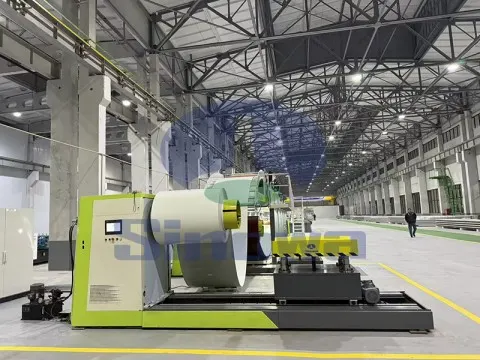
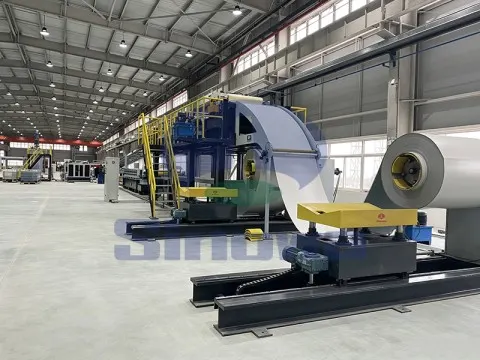
The PU sandwich panel line for curved roof is a sophisticated integration of multiple modular components, each designed to perform a specific function in the production process, working together seamlessly to achieve continuous and automated operation. The production process begins with the preparation and pretreatment of the outer facing materials, which is a critical step to ensure strong adhesion between the facing and the PU core. The facing materials, supplied in coil form, are first loaded onto uncoiling machines equipped with tension control devices to ensure stable and smooth uncoiling, preventing material deviation that could affect the subsequent forming process. After uncoiling, the facing materials pass through leveling rollers to eliminate any wrinkles or deformations caused during storage and transportation, ensuring a flat and uniform surface for further processing. In some cases, the facing materials may also undergo preheating treatment to reach an optimal temperature for bonding with the PU foam core, which enhances the adhesion between layers and improves the overall structural integrity of the finished panels.
Following the pretreatment of the facing materials, the core part of the production process—foaming and lamination—takes place. This stage is critical to determining the quality and performance of the curved PU sandwich panels. The PU foam is formed by the precise mixing of polyol, isocyanate, foaming agent, catalyst, and other additives. These raw materials are stored in separate tanks and transported to a high-pressure metering system, which accurately controls the proportion of each component according to the required specifications of the PU core. The precise metering of raw materials is essential, as even slight deviations can affect the foam density, compressive strength, and thermal insulation properties of the final product. The mixed PU solution is then continuously injected between the upper and lower facing materials as they move through a laminating zone.
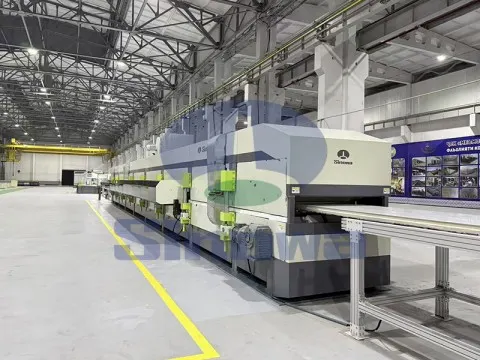
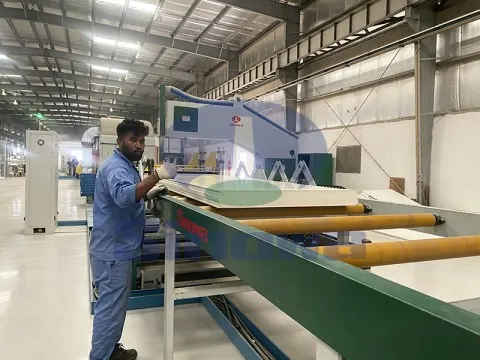
To ensure uniform foam distribution and consistent bonding, the production line is equipped with a double belt laminating system that applies consistent pressure to the panels as the PU foam expands and cures. The double belt system consists of two parallel belts that move synchronously, sandwiching the facing materials and the injected PU foam between them. The belts are equipped with temperature control systems to maintain an optimal curing temperature, which promotes the full expansion and solidification of the PU foam. This controlled environment ensures that the foam core forms a uniform structure with no gaps or voids, enhancing the structural strength and thermal insulation performance of the panels. Additionally, the double belt system allows for the adjustment of the gap between the belts, enabling the production of panels with different thicknesses to meet specific application requirements. The thickness of the PU core can be adjusted from a few millimeters to several hundred millimeters, depending on the insulation and structural needs of the project.
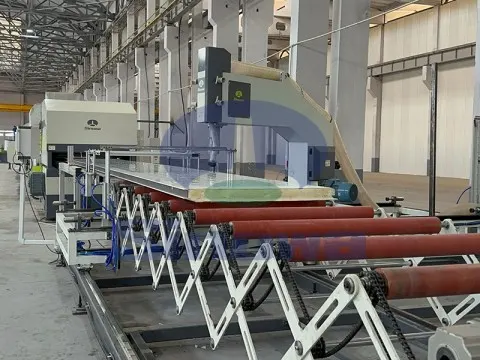
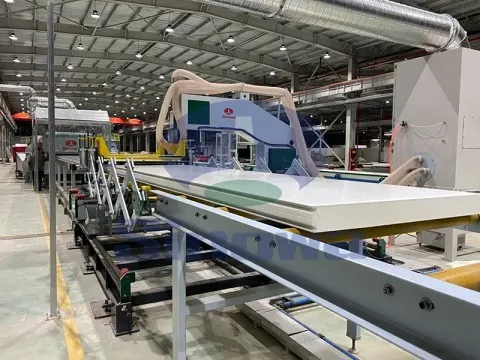
One of the key features that distinguish the PU sandwich panel line for curved roof from traditional flat panel lines is its ability to form panels into precise curved shapes. This is achieved through specialized forming equipment integrated into the production line, which can be adjusted to create panels with different curvature radii. The forming process is typically carried out using servo-controlled tracking saws and flexible forming rollers that can follow complex paths, allowing the panels to be cut and shaped into curved forms while the production line continues to operate continuously. The minimum curvature radius of the panels can be as small as 500 millimeters, depending on the thickness of the panels and the material of the facing sheets, providing architects and engineers with great flexibility in design. This ability to produce curved panels eliminates the need for on-site bending or shaping, which can be time-consuming and lead to inconsistencies in quality. Instead, the panels are manufactured in the factory with precise curvature, ensuring a perfect fit during installation and reducing construction time and labor costs.
The modular design of the PU sandwich panel line for curved roof contributes significantly to its versatility and adaptability. The line is composed of a series of interconnected modules that can be easily reconfigured or combined in different ways to accommodate different production requirements. For example, the uncoiling and pretreatment modules can be adjusted to handle different types of facing materials, including different thicknesses and coatings. The foaming and lamination modules can be fine-tuned to produce panels with different foam densities and thicknesses, while the forming and cutting modules can be adjusted to create panels of varying lengths and curvatures. This modular design also makes the line easier to maintain and upgrade, as individual modules can be replaced or upgraded without disrupting the entire production system. Additionally, modern production lines are designed with energy-saving features, such as closed-loop heating systems, high-efficiency motors, and insulation around the lamination and curing zones, which help to reduce energy consumption and lower production costs.
Quality control is an integral part of the production process for the PU sandwich panel line for curved roof, ensuring that every panel meets the required standards for performance and durability. Throughout the production process, various quality checks are conducted to monitor key parameters such as foam density, panel thickness, curvature accuracy, and adhesion strength. For example, foam density is measured at regular intervals to ensure it meets the specified requirements, as density directly affects the compressive strength and thermal insulation performance of the panels. Panel thickness is monitored using precision measuring devices, and any deviations from the required thickness are corrected immediately. Curvature accuracy is checked using specialized tools to ensure that the panels have the correct radius and shape, which is crucial for proper installation and structural integrity. Adhesion strength tests are also conducted to ensure that the facing materials are firmly bonded to the PU core, preventing delamination during use.
The application of PU sandwich panels produced by this specialized line is extensive, covering a wide range of building types and industries. In commercial and public buildings, curved PU sandwich panels are often used for roofs of shopping malls, exhibition centers, and cultural buildings, where their aesthetic appeal and functional performance enhance the overall design and energy efficiency of the structure. The curved shape adds a sense of dynamism and elegance to the building, making it stand out from traditional flat-roofed structures. In industrial applications, these panels are used for the roofs of warehouses, factories, and logistics centers, where their lightweight construction, high strength, and excellent thermal insulation properties help to reduce energy costs and improve the working environment inside the building. Additionally, curved PU sandwich panels are widely used in prefabricated buildings, including modular homes and temporary structures, due to their quick installation and versatility. They can be easily transported and assembled on-site, reducing construction time and labor costs significantly.
Another important advantage of the PU sandwich panel line for curved roof is its commitment to environmental sustainability. Modern production lines use environmentally friendly foaming agents, such as pentane, instead of traditional chlorofluorocarbons (CFCs) or hydrochlorofluorocarbons (HCFCs), which are harmful to the ozone layer. This switch to eco-friendly foaming agents helps to reduce the environmental impact of the production process, aligning with global efforts to combat climate change. Additionally, the PU foam core is fully recyclable, and the metal facing materials can be reused or recycled, reducing waste and promoting a circular economy. The energy-saving features of the production line also contribute to sustainability by reducing energy consumption and greenhouse gas emissions.
In terms of operational efficiency, the PU sandwich panel line for curved roof offers significant advantages over traditional production methods. The continuous and automated operation of the line ensures high production throughput, with production speeds typically ranging from 8 to 25 meters per minute, depending on the configuration and specifications of the panels. This high throughput allows manufacturers to meet large-scale orders in a timely manner, reducing lead times and improving customer satisfaction. The automated nature of the line also reduces the need for manual intervention, minimizing the risk of human error and ensuring consistent product quality. Additionally, the modular design of the line makes it easy to adjust production parameters, allowing manufacturers to quickly switch between different panel specifications and meet the changing needs of the market.
The durability and long service life of the PU sandwich panels produced by this line are also notable. The combination of high-quality facing materials and a dense, uniform PU foam core ensures that the panels can withstand harsh environmental conditions, including extreme temperatures, strong winds, heavy rain, and UV radiation. The panels are resistant to corrosion, moisture, and mold, ensuring that they maintain their performance and appearance over time. This durability reduces the need for frequent maintenance and replacement, lowering the long-term cost of the building. Additionally, the panels have excellent fire resistance properties, with the PU foam core often treated with flame retardants to meet fire safety standards, making them suitable for use in a wide range of applications where fire safety is a concern.
As the construction industry continues to evolve, the demand for curved roof structures and high-performance building materials is expected to grow. The PU sandwich panel line for curved roof plays a crucial role in meeting this demand, providing a reliable and efficient production solution for high-quality curved PU sandwich panels. Its advanced technology, modular design, and commitment to sustainability make it an indispensable tool for manufacturers looking to stay competitive in the global market. By combining precision engineering, automated control, and material science, this specialized production line enables the creation of curved roof panels that offer exceptional performance, aesthetic appeal, and environmental sustainability, contributing to the development of modern, energy-efficient buildings.
In conclusion, the PU sandwich panel line for curved roof is a sophisticated industrial system that revolutionizes the production of curved roof panels. Its ability to produce high-quality, consistent, and versatile panels with excellent thermal insulation, structural strength, and aesthetic appeal makes it an essential component of the modern construction industry. From the pretreatment of facing materials to the precise foaming and lamination process, every step of the production line is designed to ensure optimal performance and durability. The modular design, energy-saving features, and commitment to environmental sustainability further enhance the value of this production line, making it a preferred choice for manufacturers around the world. As architectural designs become more complex and the demand for energy-efficient buildings increases, the PU sandwich panel line for curved roof will continue to play a vital role in shaping the future of construction, enabling the creation of innovative, sustainable, and functional curved roof structures.
Sinowa is a professional manufacturer of sandwich panel machine in china, we provide diversified and high-performance sandwich panel production lines, including fully automatic continuous PU sandwich panel line and customized special lines to meet mass production and personalized order demands. These sandwich panel lines support processing multiple foam core materials, such as PU, PIR, mineral wool, rock wool and glass wool, covering different insulation and fireproof standards.
Featuring stable operation, high efficiency, energy saving and easy maintenance, our PU sandwich panel line deliver sandwich panels with excellent thermal insulation, fire resistance, sound insulation and lightweight durability. The finished panels are widely applied in industrial workshops, warehouse roofing and wall cladding, cold storage insulation, serving global construction and industrial insulation markets.
https://www.cnsinowa.com/sandwich-panel-machines/pu-sandwich-panel-line-for-curved-roof.html