 sandwich panel machine
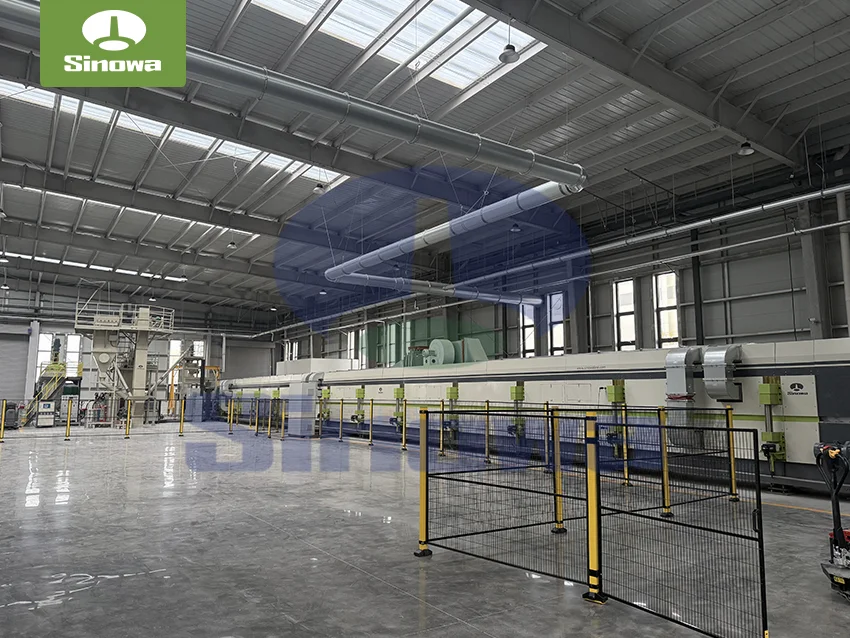
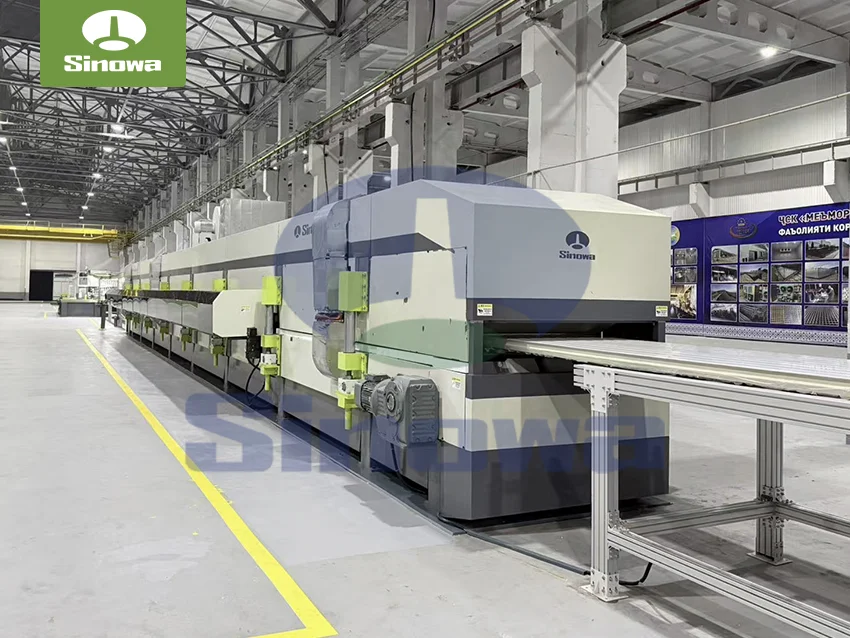
The overall structural design of the roof sandwich panel machine follows the logic of continuous assembly line operation, adopting a modular integrated layout that organically combines material feeding, pretreatment, core material filling, composite pressing, constant temperature curing, fixed-length cutting and finished product sorting functions. Each functional unit is closely linked and synchronized in operation, forming a closed-loop continuous production system. The whole equipment is mainly composed of raw material unwinding units, surface plate leveling and preprocessing mechanisms, core material feeding and foaming systems, composite pressing and shaping devices, constant temperature curing channels, precision cutting execution structures, and automatic finished product conveying and sorting components. All functional modules are coordinated and controlled by a centralized intelligent control system, which can realize automatic parameter adjustment, synchronous speed matching and operation state monitoring in the production process, ensuring the continuity and stability of long-term batch production.
The raw material unwinding part is the starting link of the roof sandwich panel production line, undertaking the task of stably supplying metal surface materials for subsequent composite processing. This unit is designed with a multi-station unwinding structure, which can place multiple rolls of coiled metal materials at the same time to realize uninterrupted material supply and avoid production shutdown caused by material replacement. The core design of the unwinding mechanism lies in constant tension control, which can maintain uniform tension output during the entire unwinding process of metal coils. This effectively prevents the metal surface plate from generating tensile deformation, wrinkling and uneven flatness problems due to unstable tension, laying a good foundation for subsequent precise composite processing. The equipment is compatible with multiple types of metal coiled materials, including conventional galvanized steel sheets, color-coated steel sheets and aluminum sheets, adapting to different anti-corrosion, weather resistance and structural strength requirements of roof panels in different application scenarios.
After unwinding, the metal surface plate will enter the leveling and pretreatment process. Long-term storage and winding of coiled metal materials will inevitably produce internal stress and local bending deformation, so precise leveling treatment is essential. The leveling unit adopts multi-group roller staggered leveling structure, through multi-times gradual pressure correction, to eliminate the internal stress of the metal plate and ensure the flatness of the plate surface meets the composite molding standard. At the same time, the pretreatment mechanism is equipped with surface cleaning and fine trimming functions, which can remove surface dust, impurities and irregular burrs on the edge of the plate. Clean and smooth plate surface can significantly improve the bonding tightness between the metal surface layer and the thermal insulation core material, avoiding hollowing, delamination and other quality defects of the finished roof panels in later use. In addition, some configurations are equipped with preheating structures, which can properly heat the metal plate before composite bonding, optimize the surface activity of the material, and further enhance the adhesion effect between layers.
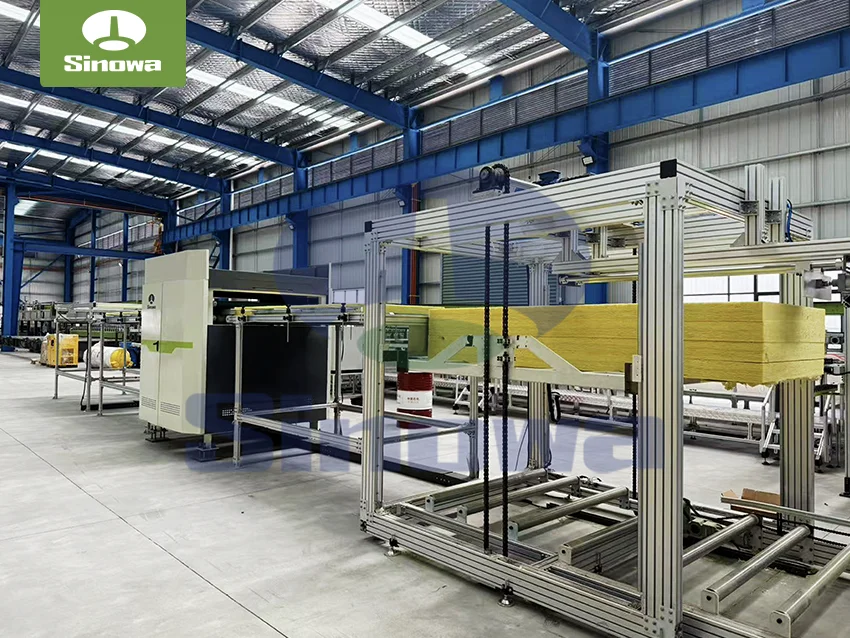
The core material processing and feeding system is the key functional unit that determines the thermal insulation performance of roof sandwich panels, and it is also the most differentiated part compared with ordinary single-layer plate forming equipment. This system can adapt to different types of thermal insulation core materials, including rigid foam materials such as polyurethane and polystyrene, as well as inorganic thermal insulation materials such as rock wool and glass wool. For liquid foaming core materials, the equipment is equipped with a high-precision proportional mixing and spraying system, which can accurately mix different raw materials according to the set process ratio. The mixed raw materials are evenly sprayed between the upper and lower metal surface plates through a special spraying mechanism, and complete uniform foaming and filling in the closed composite space. For solid core materials such as rock wool and glass wool, the system is equipped with automatic feeding and arranging structures, which can realize continuous fixed-thickness feeding and compaction of core materials, ensure uniform core material distribution, and avoid local hollowing or uneven thickness of the panels.
In the composite pressing and shaping stage, the multi-layer composite materials composed of upper and lower metal plates and the middle thermal insulation core material enter the continuous pressing mechanism for integral compound molding. The pressing unit adopts a double-belt synchronous pressing structure, which can provide uniform and stable pressure on the entire surface of the composite plate. The pressure value can be adjusted steplessly according to the thickness and material characteristics of different roof panels, ensuring that the core material and the metal surface layer are closely fitted without extrusion deformation of the core structure. The pressing process is matched with graded temperature control treatment. Through reasonable heating and heat preservation settings, the foaming and curing reaction of the core material is promoted, and the bonding strength between layers is improved. This continuous hot-press composite mode can make the integrated structure of the roof panel more stable, effectively avoiding the separation and cracking of the composite layer caused by external temperature changes and mechanical extrusion in the later service process of the panel.
The constant temperature curing channel is an important guarantee for the stable molding and performance solidification of roof sandwich panels. After hot-press composite molding, the internal bonding structure of the panel has not been completely solidified, and immediate cutting and shaping will easily lead to structural deformation and performance attenuation. The curing channel adopts a fully enclosed thermal insulation structure, with multi-section independent temperature control zones inside, which can form a gradual curing temperature environment. The composite panels move forward at a constant speed in the curing channel, and complete the final foaming solidification, adhesive curing and structural stabilization under the action of constant temperature and slight pressure. The design of graded temperature curing can avoid the quality problems such as internal stress concentration, surface bulging and core material shrinkage caused by excessive temperature difference and rapid temperature change, and greatly improve the dimensional stability and structural durability of the finished panels.
The precision cutting and finishing unit is responsible for cutting the continuously molded long-strip composite plates into finished panels of standard fixed length, which is the final molding link of product specification sizing. This unit adopts a flying cutting mode with synchronous follow-up, which can realize dynamic cutting without stopping the production line. The servo drive system is used to control the cutting stroke and precision, which can accurately control the cutting length and ensure the verticality and flatness of the cutting section. In the cutting process, the equipment is equipped with anti-deformation positioning structures, which can effectively fix the plate body to avoid plate vibration and displacement caused by cutting force, ensuring that the dimensional error of finished products is controlled within a tiny range. At the same time, the edge finishing mechanism can trim the burrs and irregular edges generated by cutting, make the edge of the panel smooth and flat, facilitate the later assembly and docking of roof panels, and improve the overall installation tightness of the building roof.
The automatic conveying and stacking system undertakes the transportation, sorting and stacking work of finished panels. The cut finished roof panels are stably conveyed to the sorting platform through the roller conveying mechanism, and the automatic positioning and turnover device completes the alignment and arrangement of the panels. The intelligent stacking structure can automatically adjust the stacking height and spacing according to the panel specifications, realize neat and orderly stacking of finished products, and avoid surface scratching and extrusion damage of panels caused by manual stacking. The whole process realizes unmanned automatic operation, which not only improves the efficiency of finished product sorting, but also effectively reduces the surface damage rate of products, ensuring the appearance quality and structural integrity of each finished roof panel. At the same time, the orderly stacked finished products are more convenient for later packaging, transportation and storage, optimizing the overall production and logistics link.
The core control system of the roof sandwich panel line takes programmable logic controller as the core, matched with human-computer interaction operation interface, realizing intelligent and automated management of the whole production process. Operators can complete the setting of production parameters such as panel thickness, length, running speed and foaming ratio through the touch operation interface. The system has real-time monitoring functions for the operating state of each functional unit, and can synchronously collect and analyze data such as operating speed, temperature, pressure and material consumption during production. Once abnormal conditions such as parameter deviation, equipment jitter and material interruption occur, the system will automatically trigger prompt feedback and protective adjustment, effectively avoiding batch quality problems and equipment failure losses. In addition, the control system supports parameter memory and one-key calling functions, which can quickly switch production specifications of different panels and meet the flexible production needs of diversified products.
Compared with traditional intermittent manual or semi-automatic panel making equipment, the roof sandwich panel making machine has outstanding advantages in production efficiency, product quality stability and production consistency. The continuous assembly line operation mode realizes the integration of feeding, composite molding, curing and cutting, greatly shortening the single-panel production cycle and realizing large-scale and batch continuous production. All production links are completed by mechanical and intelligent equipment, which avoids the influence of manual operation errors on product quality. The thickness, flatness, bonding strength and dimensional accuracy of each batch of finished roof panels maintain high consistency, effectively solving the problems of uneven product quality and high defective rate in traditional production modes. At the same time, the centralized control and automatic operation mode reduce the demand for on-site operators, reduce human resource input in the production process, and improve the overall economic benefit of production.
In terms of product performance optimization, the standardized and precise production process of the equipment endows the finished roof sandwich panels with excellent comprehensive performance. The uniform foaming and compact composite structure makes the panels have good thermal insulation and heat preservation performance, which can effectively reduce the heat transfer efficiency of the building roof, reduce the energy consumption of building temperature regulation, and meet the energy-saving and environmental protection requirements of modern buildings. The tight bonding structure between the metal surface layer and the core material improves the overall structural strength and impact resistance of the panels, enabling the roof panels to resist external wind pressure, rain erosion and daily mechanical impact in the service process. In addition, the integrated molding structure of the panels has good waterproof and sealing performance, which can effectively avoid roof water leakage problems caused by loose assembly and poor fitting of traditional building materials, improving the overall waterproof and weather resistance of the building roof.
Roof sandwich panel machines are highly adaptable in production and can meet the manufacturing needs of roof panels for multiple application scenarios. By adjusting production parameters and matching different core materials and surface plate specifications, the roof sandwich panel equipment can produce lightweight roof panels suitable for temporary construction buildings, high-strength thermal insulation roof panels for industrial factory buildings, and weather-resistant decorative roof panels for commercial buildings. The produced panels have the characteristics of light weight, convenient transportation and fast installation. Compared with traditional concrete and brick roof structures, sandwich panel roofs can greatly shorten the building construction cycle, reduce the overall load of the building, and reduce the construction cost and later maintenance cost of the building. Therefore, the equipment has important application value in industrial construction, commercial construction, rural new construction, emergency temporary construction and other fields.
In terms of equipment operation and maintenance, the modular structural design of the roof sandwich panel production machine brings great convenience to daily management and fault maintenance. Each functional module is relatively independent in structure and connected by standardized connecting parts. When local failure or abnormal wear occurs in the equipment, maintenance personnel can quickly locate the faulty module and complete disassembly, replacement and debugging, avoiding the problem of large-scale disassembly and maintenance of the whole equipment. The key operating parts of the equipment are designed with wear resistance and corrosion resistance, which can adapt to long-term continuous industrial production environments and reduce the frequency of daily maintenance. The equipment is also equipped with automatic lubrication and dust removal structures, which can regularly maintain the operating parts, reduce mechanical wear, extend the service life of the equipment, and ensure the long-term stable operation of the production line.
The equipment also has good energy-saving and environmental protection characteristics, conforming to the development trend of green building material production industry. The precise proportional control system of core material raw materials can effectively avoid raw material waste caused by excessive feeding and uneven mixing, improve the utilization rate of production raw materials. The closed foaming and curing structure reduces the volatilization and leakage of raw material components, avoiding environmental pollution caused by production waste gas and waste residue. The high-efficiency continuous production mode reduces the energy consumption of unit product production, and the optimized mechanical structure reduces the power consumption of equipment operation. While ensuring high-efficiency production, it realizes the effective control of production energy consumption and environmental impact, meeting the increasingly stringent environmental protection production standards of the industry.
With the continuous upgrading of modern building technology and the continuous improvement of building energy-saving standards, the market demand for high-performance roof sandwich panels is constantly upgrading, which also promotes the continuous technological iteration and performance optimization of roof sandwich panel making machine. The current equipment development trend is towards higher automation intelligence, more diversified production adaptability and higher precision molding effect. The continuous upgrading of intelligent control technology makes the equipment have stronger independent operation and fault self-diagnosis ability, further reducing manual intervention in the production process. The optimized structural design enables the equipment to adapt to more types of core materials and surface materials, realizing the integrated production of multi-specification and multi-performance roof panels. The improvement of molding precision and process level makes the comprehensive performance of finished panels more excellent, which can meet the higher standard construction needs of high-end buildings, energy-saving buildings and special industrial buildings.
In practical industrial production applications, the stable operation of the roof sandwich panel manufacturing machine directly determines the production capacity and product quality level of building material enterprises. Scientific and standardized equipment operation and maintenance management are important prerequisites to ensure the efficient operation of the production line. In the daily production process, operators need to conduct regular inspection and debugging of key systems such as material feeding tension, pressing pressure, curing temperature and cutting precision, to ensure that all production parameters are within the standard range. Regular cleaning of the equipment surface and internal processing channels is required to avoid material residue affecting product processing accuracy and equipment operation efficiency. At the same time, regular lubrication and fastening maintenance of mechanical transmission parts can reduce equipment failure rate, ensure the continuity and stability of production, and create stable economic benefits for production enterprises.
In conclusion, the roof sandwich panel production machinery as a professional and efficient integrated production equipment for building thermal insulation roof materials, integrates mechanical transmission, precise fluid control, constant temperature curing and intelligent scheduling technologies. It realizes standardized, large-scale and high-quality production of roof sandwich panels, solves many pain points in traditional roof panel production, such as low efficiency, inconsistent quality and high resource consumption. Its excellent production performance, flexible product adaptation capability and reliable operation stability make it occupy an important position in the modern building material manufacturing industry. With the continuous development of green buildings and prefabricated building industries, roof sandwich panel machines will continue to play an irreplaceable role, continuously outputting high-quality thermal insulation roof panel products for various building projects, and promoting the standardized, efficient and green development of the construction industry.
https://www.cnsinowa.com/sandwich-panel-machines/roof-sandwich-panel-machine.html