 sandwich panel machine
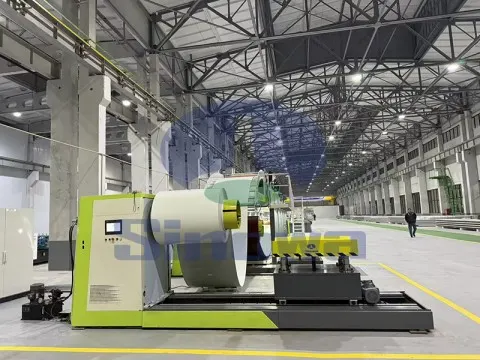
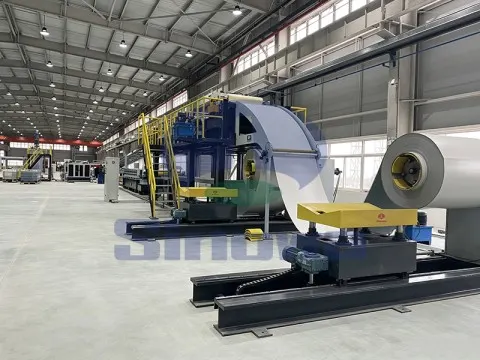
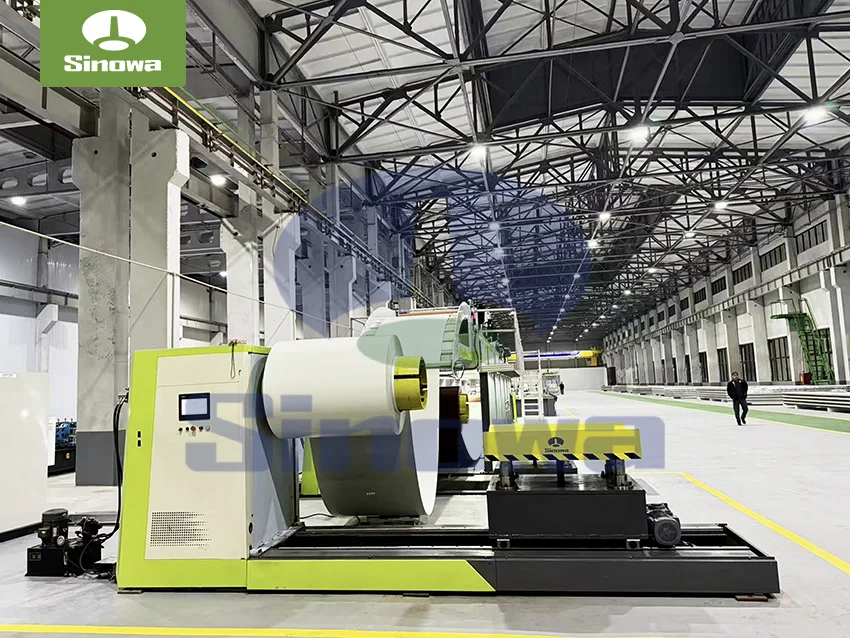
The internal structural design of advanced polyurethane sandwich panel machines follows the principles of mechanical integration and ergonomic optimization, consisting of multiple interconnected and collaborative functional modules. The raw material supply module serves as the initial link of the entire production line, mainly including sealed storage tanks for polyurethane raw materials and auxiliary chemical agents. These storage containers are equipped with independent temperature maintenance structures to keep the raw materials in a stable physical state, avoiding performance fluctuations caused by ambient temperature changes. Each material tank is matched with a variable frequency drive metering pump, which can independently adjust the delivery speed and flow rate of raw materials. This structural design enables the equipment to accurately control the mixing ratio of resin and curing agent, laying a solid foundation for uniform chemical reactions in the subsequent foaming process. Different from traditional low-precision feeding equipment, the feeding system of advanced models adopts closed pipeline transmission, which effectively reduces raw material volatilization loss and prevents external dust and impurities from contaminating the raw material components.
The mixing and foaming module is the core functional component that determines the internal quality of polyurethane sandwich panels. After being quantitatively transported by the metering pumps, multiple raw material components are delivered to the high-speed mixing head inside the equipment. The mixing head adopts an optimized flow channel structure, which can complete the rapid fusion of different raw materials in an extremely short time and generate uniform mixed liquid through high-frequency stirring. In order to ensure the uniformity of the foaming layer, the equipment is equipped with a movable material distribution mechanism. This mechanism drives the discharging nozzle to perform reciprocating linear motion at a stable speed, so that the mixed polyurethane liquid can be evenly coated on the surface of the base materials on both sides. The foaming process relies on controlled chemical reactions; the internal temperature of the reaction area is precisely regulated to promote the continuous expansion and cross-linking curing of polyurethane molecules. During this stage, the liquid raw materials gradually transform into a microporous foam structure, forming a dense and adiabatic core layer between the upper and lower base materials. The advanced temperature sensing components arranged inside the foaming zone can monitor the real-time temperature of the reaction environment and feed data back to the central control system to dynamically adjust the heating power, preventing local overheating or insufficient curing caused by temperature deviation.
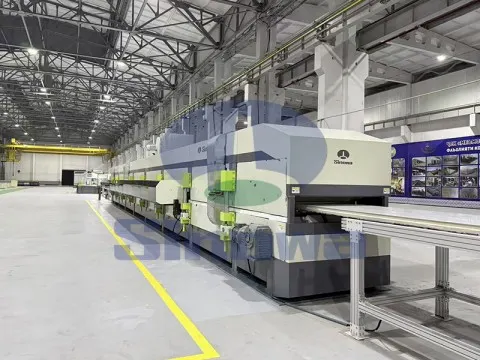
The laminating and shaping module undertakes the key task of determining the external flatness and structural density of finished panels. This module is dominated by a double-belt pressing structure with high structural rigidity. The upper and lower circulating belts are made of wear-resistant and high-temperature resistant alloy materials, which can maintain stable pressure and flatness during long-term continuous operation. After the base materials coated with polyurethane liquid enter the clamping gap of the double belts, the equipment applies constant and uniform vertical pressure to squeeze and shape the semi-finished panels. The internal spacing of the double belts can be fine-tuned according to the preset panel thickness parameters, realizing flexible production of panels with different specification requirements. The inside of the double-belt structure is provided with a circulating temperature control system, which maintains a constant curing temperature in the shaping cavity. This continuous temperature and pressure integrated treatment enables the polyurethane foam to complete stable foaming and solidification in a limited space, effectively eliminating internal voids and structural cracks. After lamination and shaping, the density distribution of the foam core layer becomes uniform, and the bonding tightness between the core layer and the surface base materials is significantly enhanced, avoiding the problem of delamination and peeling in subsequent use.
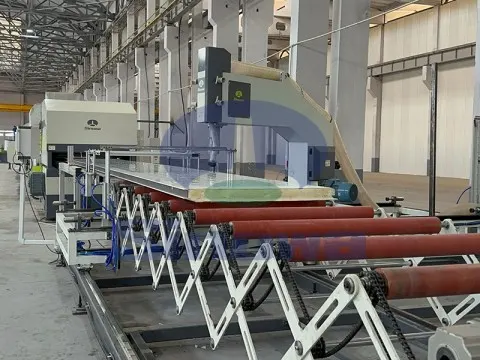
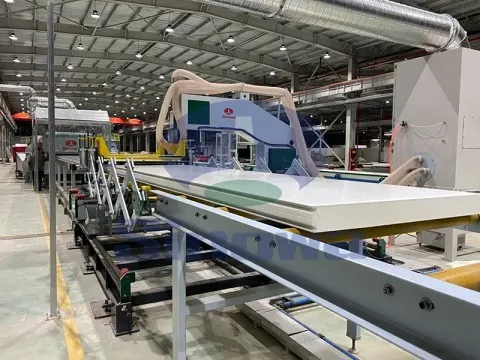
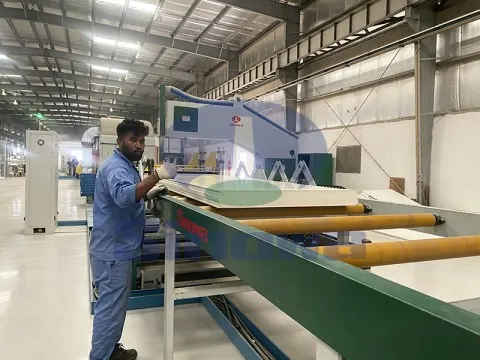
The post-processing module covers multiple auxiliary processes such as edge trimming, fixed-length cutting and surface finishing, which perfect the overall appearance and dimensional accuracy of the panels. After the initially cured panels are transported out of the shaping cavity, the edge trimming devices installed on both sides of the production line cut off the irregular excess parts on both sides of the panels to ensure consistent overall width. The high-precision cutting mechanism uses servo positioning technology to identify the conveying distance of the panels in real time and complete fixed-length cutting according to the preset dimensional standards. The cutting tool is made of high-hardness alloy, which can keep the cutting edge smooth and burr-free during long-term cutting operations. In addition, some optimized models are equipped with surface smoothing and dust removal components, which can clean up residual attachments on the surface of the panels and further improve the surface finish of finished products. All post-processing procedures are connected in an orderly manner through the conveying track, realizing uninterrupted flow line operation and avoiding production stagnation caused by intermediate transfer.
The intelligent control system runs through all functional modules of the equipment and is the core brain to ensure the stable operation of the entire production line. This system adopts a centralized programming control mode, which solidifies the optimized production process parameters into the internal program. Operators can complete parameter setting, production mode switching and equipment status monitoring through a simple human-computer interaction interface. A large number of high-sensitivity sensors are distributed in key positions such as raw material pipelines, mixing cavities, shaping gaps and conveying tracks. These sensors collect real-time data including material flow rate, internal temperature, operating pressure and conveying speed, and transmit the data to the central processing unit for dynamic analysis. Once the operating parameters deviate from the preset safe range, the system will automatically carry out fine adjustments. For example, when the raw material feeding speed is unstable, the system will correct the operating frequency of the metering pump in real time; when the internal temperature of the shaping cavity fluctuates, the heating and heat dissipation components will respond synchronously. This automatic regulation mode minimizes human intervention errors and ensures the consistency of product quality in batch production.
Compared with traditional ordinary production equipment, advanced polyurethane sandwich panel machines have prominent comprehensive advantages in production performance and energy consumption control. In terms of production efficiency, the highly integrated structural design realizes seamless connection of all production links, eliminating the waiting time for material transfer between separate processes. The continuous production mode can maintain a stable operating state for a long time, and the effective production time is greatly prolonged. In terms of product quality control, the precise raw material proportioning system and constant-temperature curing environment make the thermal insulation performance, compressive strength and bonding strength of finished panels reach stable high standards. The microporous foam structure formed by precise reaction control has low thermal conductivity, which endows the panels with excellent thermal and cold insulation capabilities. In terms of energy consumption optimization, the equipment adopts energy-saving driving components and circulating heat preservation structures. The waste heat generated during the foaming reaction is reasonably recycled to reduce additional energy consumption for heating. Meanwhile, the closed raw material transmission structure reduces raw material waste, improving the overall resource utilization rate.
In terms of operational stability and maintenance cost optimization, advanced polyurethane sandwich panel machines adopt modular assembly design. Each functional module is relatively independent in structure, which facilitates daily inspection, component replacement and equipment maintenance. The key moving parts are equipped with wear-resistant and anti-corrosion protective layers, which adapt to the humid and chemical-containing production environment and extend the service life of mechanical components. The system has a built-in fault self-diagnosis function. When abnormal conditions such as pipeline blockage, motor overload and temperature abnormality occur, the system will quickly locate the fault point and send prompt signals, helping maintenance personnel eliminate hidden dangers in a timely manner. This intelligent early warning mechanism reduces unexpected downtime caused by equipment failures and improves the overall continuity of production activities. In addition, the equipment is equipped with a sound insulation and shock absorption structure, which effectively reduces mechanical vibration and operating noise during high-speed operation, improving the on-site production environment.
Polyurethane sandwich panels produced by advanced equipment have a wide range of application scenarios, covering multiple downstream industrial fields. In the field of industrial plant construction, such panels are widely used for the enclosure walls and roof structures of factory buildings, owing to their lightweight, fire-retardant and wind-resistant properties. They can reduce the overall load-bearing pressure of buildings and shorten the construction cycle. In the cold chain storage and transportation industry, panels with high-efficiency thermal insulation performance are used to build constant-temperature warehouses and refrigerated transportation compartments, which effectively isolate external temperature changes and maintain the internal low-temperature storage environment. In addition, the panels are also applicable to temporary construction facilities, purification workshops and architectural decoration projects. Different usage scenarios put forward diverse requirements for panel thickness, surface materials and foam density, and the flexible parameter adjustment capability of advanced production equipment can well meet these customized production needs.
With the continuous development of green manufacturing concepts and industrial intelligence, the technological upgrading of polyurethane sandwich panel machines is still advancing steadily. The future optimization direction of such equipment will focus on intelligent linkage, environmental protection production and multi-scenario adaptation. On the one hand, the equipment will realize deeper data interconnection with upstream and downstream production equipment to build a fully automated intelligent production workshop. On the other hand, the raw material mixing formula and waste gas treatment structure will be further optimized to reduce harmful gas emissions during the production process and meet increasingly strict environmental protection production standards. In addition, the equipment will strengthen the compatibility of diversified base materials, realizing the integrated production of composite panels with different surface materials such as metal plates and non-metal decorative plates, so as to adapt to the expanding market application boundary.
In conclusion, advanced polyurethane sandwich panel machines represent the high-level manufacturing technology of composite building material equipment. Through the integrated design of precise feeding, efficient foaming, constant-pressure shaping and intelligent control, the equipment achieves efficient, stable and low-consumption production of polyurethane sandwich panels. Its excellent production performance not only improves the comprehensive quality of panel products, but also promotes the standardized and large-scale development of the polyurethane composite material industry. As the demand for energy-saving and environmentally friendly building materials continues to grow in the global market, such sophisticated industrial equipment will continue to play an irreplaceable role in the construction industry, cold chain logistics and other fields, and continuously drive the technological innovation and industrial upgrading of the composite panel manufacturing industry with iterative technological optimization.
Sinowa is a professional manufacturer of sandwich panel machine in china, we provide diversified and high-performance sandwich panel production lines, including fully automatic continuous PU sandwich panel line and customized special lines to meet mass production and personalized order demands. These sandwich panel lines support processing multiple foam core materials, such as PU, PIR, mineral wool, rock wool and glass wool, covering different insulation and fireproof standards.
Featuring stable operation, high efficiency, energy saving and easy maintenance, our PU sandwich panel line deliver sandwich panels with excellent thermal insulation, fire resistance, sound insulation and lightweight durability. The finished panels are widely applied in industrial workshops, warehouse roofing and wall cladding, cold storage insulation, serving global construction and industrial insulation markets.
https://www.cnsinowa.com/sandwich-panel-machines/advanced-polyurethane-sandwich-panel-machine.html