 sandwich panel machine
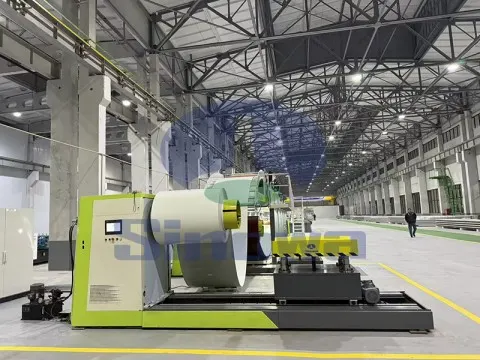
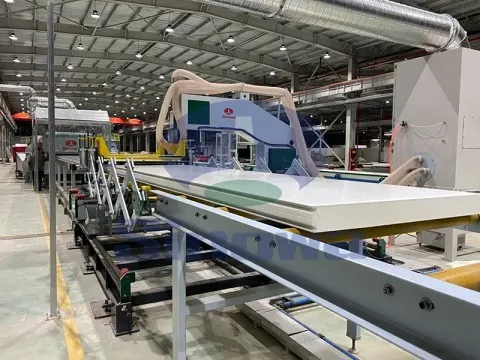
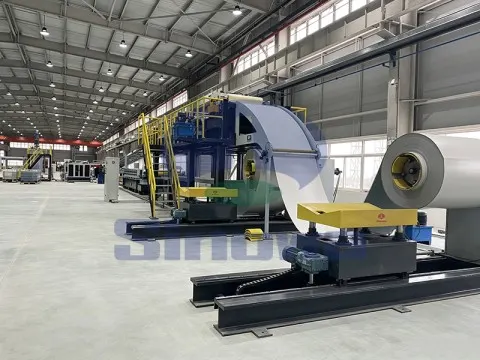
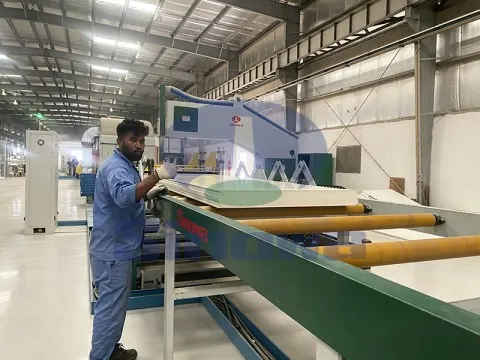
A complete polyurethane sandwich panel production line is a highly integrated automated system composed of multiple functional modules, and the structural complexity of the equipment itself constitutes the fundamental basis for cost differentiation. The basic configuration of standard production equipment includes raw material unwinding devices, surface material pretreatment systems, polyurethane foaming and mixing units, double-belt laminating mechanisms, constant-temperature curing systems, precision cutting components, and automatic stacking devices. Each functional module undertakes an independent production link, and the coordination between modules ensures the continuous and stable operation of the entire production process. The unwinding device is responsible for releasing metal or non-metal surface materials at a uniform speed, with internal leveling and deviation correction structures to avoid material wrinkling and position offset during transmission. The pretreatment system removes surface impurities and adjusts the flatness of raw materials, creating favorable bonding conditions for subsequent polyurethane foaming materials.
The foaming unit serves as the core functional component of the entire sandwich panel line, directly determining the foaming quality and internal structural uniformity of polyurethane sandwich panels. This unit is equipped with independent material storage tanks for polyurethane raw materials and curing agents, matched with frequency conversion metering pumps to precisely control the transmission ratio of different raw materials. High-speed mixing structures blend multiple raw materials evenly, and the reciprocating distributing mechanism coats the mixed polyurethane materials on the surface of the base materials stably and continuously. The structural design precision of the mixing head and the sensitivity of the flow control system play a decisive role in the foaming density and thermal insulation performance of finished panels. Equipment with high-precision metering and mixing structures requires higher manufacturing precision and component processing standards, which naturally increases the overall manufacturing cost of the equipment.
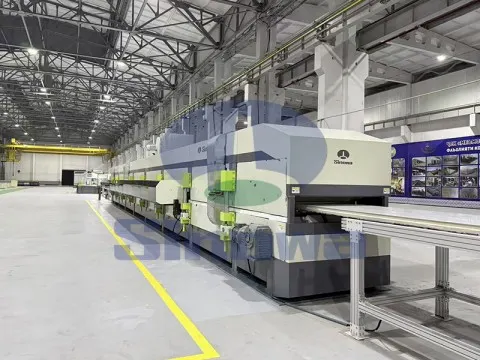
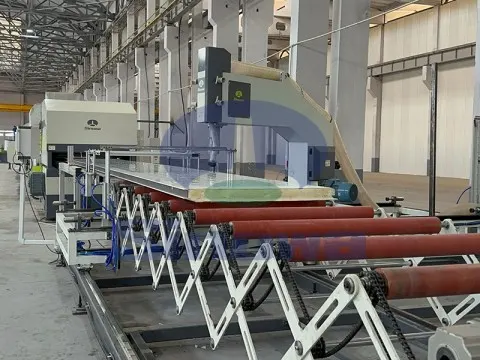
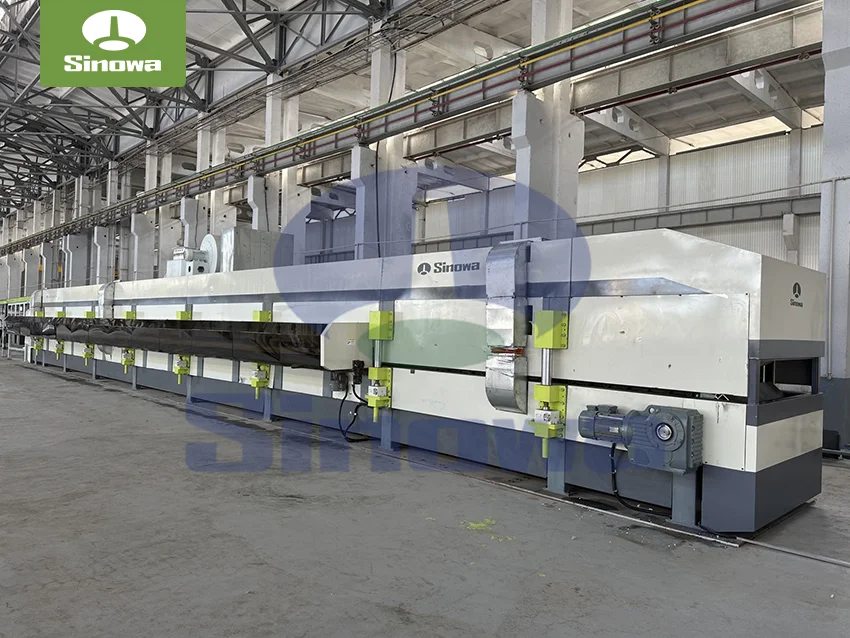
The laminating and curing system is another key part that affects equipment performance and manufacturing cost. After the polyurethane raw materials are coated between the upper and lower base materials, the double-belt laminating structure applies uniform and stable pressure to ensure the tight bonding between the surface materials and the core foaming layer. The internal constant-temperature heating system maintains a stable processing temperature to promote the chemical cross-linking reaction of polyurethane materials, enabling the foaming layer to complete solidification and molding within a specified time. Advanced equipment models adopt circulating temperature control structures to reduce temperature fluctuations in the molding area, effectively avoiding quality defects such as uneven foaming and local depressions of the panels. The high-temperature resistant materials and intelligent temperature control components used in the laminating and curing system raise the production difficulty of the equipment, bringing about an increase in comprehensive manufacturing expenses.
Automation and intelligent control levels are critical factors that widen the cost gap between different polyurethane sandwich panel machines. Traditional entry-level equipment mostly adopts semi-automatic control modes, requiring manual intervention for material switching, parameter adjustment, and finished product collection. Such equipment has relatively simple circuit control systems and low component configuration standards, with limited production efficiency and operation accuracy. In contrast, modern high-end production lines are equipped with integrated programmable control systems and servo drive components, realizing full-process automatic control from raw material feeding to finished product stacking. The intelligent control system can monitor parameters such as material flow, molding temperature, transmission speed, and cutting size in real time, and automatically adjust operating data according to production requirements to maintain the consistency of finished product quality. The human-computer interaction interface simplifies the operation process, reducing the dependence on skilled operators. The application of intelligent electronic components and automatic sensing modules significantly improves the intelligent level of the equipment, while also raising the overall production cost.
Production capacity and operational adaptability further affect the comprehensive cost budget of polyurethane sandwich panel machines. Equipment with high hourly output is usually equipped with enlarged processing structures and high-power driving components, which can continuously produce panels of standard specifications at a faster operating speed. The internal mechanical structure of high-capacity equipment needs to bear long-term high-load operation, so high-strength alloy materials and thickened structural parts are adopted to enhance equipment durability. In addition, flexible production capacity has become an important evaluation indicator for modern production equipment. Some optimized equipment models support the switching production of panels with different thicknesses and widths, and can adjust processing parameters to adapt to diversified production needs such as special-shaped edge sealing and surface coating treatment. The flexible adjustment function requires the equipment to be equipped with multi-group adjustable transmission structures and detachable molding accessories, and the customized structural design increases the manufacturing difficulty and raw material consumption of the equipment.
Raw material selection and manufacturing craftsmanship of equipment components are essential factors causing cost differences. The main frame and transmission parts of low-cost basic equipment usually adopt ordinary carbon steel materials with simple anti-rust treatment, which have limited compression resistance and corrosion resistance, and are prone to structural deformation after long-term operation. High-quality production equipment uses high-density alloy steel for key load-bearing parts, with multi-layer anti-corrosion and wear-resistant coatings on the surface. The precision processing technology is adopted for the connecting parts of each module to reduce mechanical friction and operation noise during equipment operation. The high-quality raw materials and refined processing craftsmanship extend the service life of the equipment, reduce the failure probability in the production process, and the inherent high material cost and processing cost are inevitably reflected in the overall investment budget of the equipment.
Installation debugging, after-sales maintenance and long-term operating costs are easily overlooked hidden expenses in the equipment procurement process. A complete polyurethane sandwich panel production line covers a large area, involving the connection and debugging of mechanical structures, circuit systems, and hydraulic pipelines. Professional installation and debugging technicians need to complete equipment assembly, parameter calibration, and trial production tests to ensure that all modules operate in coordination. In terms of daily operation, high-precision equipment has higher requirements for lubricating oil, cooling water, and auxiliary consumables, and the energy consumption of high-power intelligent equipment is relatively higher. The later maintenance cycle and component replacement cost also vary with equipment quality. Equipment with high manufacturing standards has lower failure rates, longer maintenance cycles, and lower comprehensive maintenance costs in the later stage, while low-cost entry-level equipment often requires frequent component replacement and routine maintenance, resulting in higher long-term operating expenses.
Market supply and demand relationship and industrial production trends also indirectly affect the overall cost orientation of polyurethane sandwich panel machines. In recent years, the global demand for energy-saving thermal insulation building materials has continued to rise, driving the expansion of the market demand for sandwich panel production equipment. The continuous upgrading of building energy conservation standards has prompted manufacturers to optimize equipment performance, eliminating backward equipment with low foaming efficiency and high energy consumption. Raw material prices of steel structures, electronic control components, and polyurethane auxiliary materials fluctuate with the global industrial raw material market, causing dynamic changes in the manufacturing cost of equipment. In addition, the regional industrial layout also leads to cost differences. Equipment produced in regions with concentrated industrial chains can reduce component procurement and transportation costs through supporting industrial resources, while equipment manufactured in regions with incomplete supporting facilities has higher comprehensive production expenses.
Environmental protection and energy-saving design requirements have become new important factors affecting equipment costs in recent years. With the continuous improvement of global industrial environmental protection standards, modern polyurethane sandwich panel machines are equipped with waste gas collection and residual material recovery devices. The closed raw material transmission structure reduces the volatilization of polyurethane chemical raw materials, and the waste gas generated in the foaming process is filtered and purified to meet industrial emission standards. Energy-saving optimized equipment adopts frequency conversion energy-saving motors and circulating heat preservation structures, which can effectively reduce electric energy consumption during continuous operation. The additional environmental protection and energy-saving structures increase the manufacturing cost of a single piece of equipment, but they can help production enterprises meet environmental supervision requirements and reduce long-term energy consumption expenditure, bringing sustainable economic benefits to enterprise operation.
For enterprise purchasers, it is necessary to avoid simply focusing on the initial procurement cost when selecting polyurethane sandwich panel machines, and comprehensively evaluate the comprehensive cost of the entire life cycle of the equipment. Small and medium-sized production enterprises with single product specifications and low daily output can choose basic semi-automatic equipment with simple structures and low maintenance costs to match small-scale production needs and control initial investment pressure. Large-scale building material manufacturing enterprises with diversified product lines and high output requirements are suitable for high-intelligent, high-efficiency flexible production lines. Although such equipment has a high initial investment, it has outstanding advantages in production stability, product qualification rate, and later expansion space, which can effectively reduce the comprehensive production cost of finished panels.
In conclusion, the overall cost composition of polyurethane sandwich panel machines is complex and diverse, covering multiple dimensions such as equipment structure configuration, automation level, raw material craftsmanship, production performance, and later operation and maintenance. There is no fixed cost standard applicable to all equipment models in the market. Industrial investors need to combine their own production scale, product positioning, site conditions and long-term development plans to sort out key demand indicators, screen equipment with matching performance and cost ratio, and balance initial investment and long-term operating benefits. With the continuous progress of industrial manufacturing technology, polyurethane sandwich panel machines will develop towards higher intelligence, lower energy consumption and stronger flexibility. The continuous optimization of equipment structure and performance will further adjust the cost structure, providing more diversified and cost-effective equipment choices for the global building material production industry.
Sinowa is a professional manufacturer of sandwich panel machine in china, we provide diversified and high-performance sandwich panel production lines, including fully automatic continuous PU sandwich panel line and customized special lines to meet mass production and personalized order demands. These sandwich panel lines support processing multiple foam core materials, such as PU, PIR, mineral wool, rock wool and glass wool, covering different insulation and fireproof standards.
Featuring stable operation, high efficiency, energy saving and easy maintenance, our PU sandwich panel line deliver sandwich panels with excellent thermal insulation, fire resistance, sound insulation and lightweight durability. The finished panels are widely applied in industrial workshops, warehouse roofing and wall cladding, cold storage insulation, serving global construction and industrial insulation markets.
https://www.cnsinowa.com/sandwich-panel-machines/polyurethane-sandwich-panel-machine-price.html