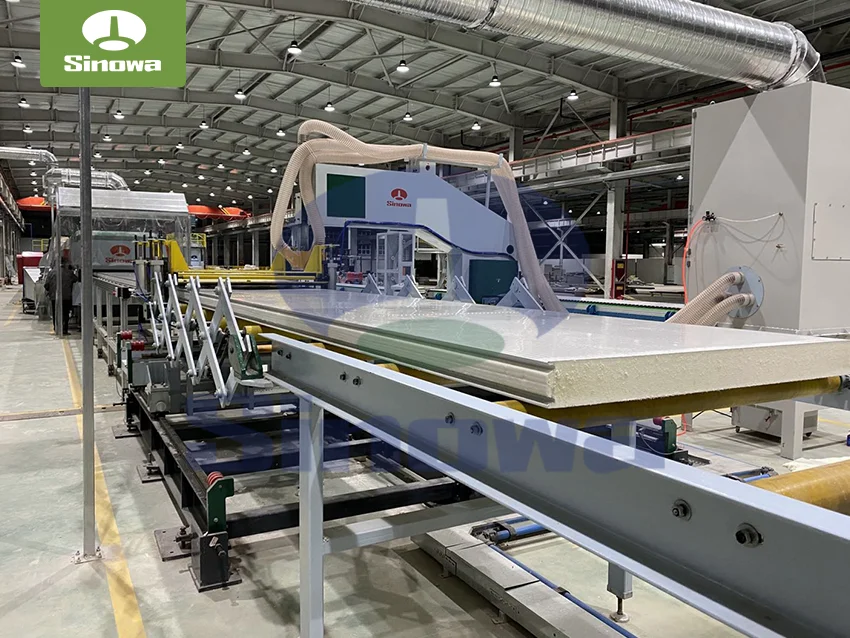
 sandwich panel machine
The core of a PU sandwich panel lies in its composite structure, typically consisting of two outer facings and a polyurethane foam core. For curtain wall applications, the outer facings are usually made of high-quality metal sheets such as galvanized steel, galvalume, or aluminum, which provide excellent weather resistance, corrosion protection, and structural strength. The inner polyurethane core, formed through a precise foaming process, offers superior thermal insulation, sound absorption, and fire resistance properties. This combination of materials creates a panel that is lightweight yet robust, capable of fulfilling multiple functions—including load-bearing, insulation, waterproofing, and decoration—without the need for additional structural components or secondary finishes. Such versatility makes PU sandwich panels particularly well-suited for curtain walls, where space efficiency, energy performance, and aesthetic consistency are paramount.
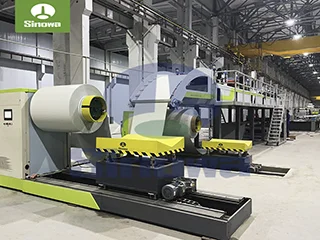
The manufacturing process of PU sandwich panels for curtain walls is a complex, continuous operation that requires meticulous control at every stage to ensure product quality and performance. The process typically begins with raw material preparation, a critical step that lays the foundation for the final product's properties. The metal coils used for the outer facings undergo rigorous inspection to ensure they meet the required thickness, coating quality, and mechanical strength standards. Common metal substrates include galvanized steel with a protective zinc coating and galvalume, which combines zinc and aluminum for enhanced corrosion resistance. These coils are then uncoiled and fed into a leveling machine to remove any distortions, ensuring a flat, uniform surface for subsequent processing. Meanwhile, the raw materials for the polyurethane core—including isocyanates, polyols, and additives such as flame retardants and foaming agents—are carefully measured and mixed in precise proportions. The accuracy of this mixing process is essential, as it directly affects the foam's density, thermal conductivity, and fire performance.
Following raw material preparation, the metal facings are shaped through a roll forming process. In this stage, the flat metal sheets are passed through a series of roller dies that gradually bend and shape the metal into the desired profile. For curtain wall applications, the panels often feature interlocking edges, such as tongue-and-groove designs, which facilitate easy installation and ensure a tight, weatherproof seal between adjacent panels. The roll forming process is highly automated, allowing for consistent profile dimensions and surface quality across large production runs. Once the metal facings are formed, they are fed into a continuous laminating line, where the polyurethane core is applied between the two facings.
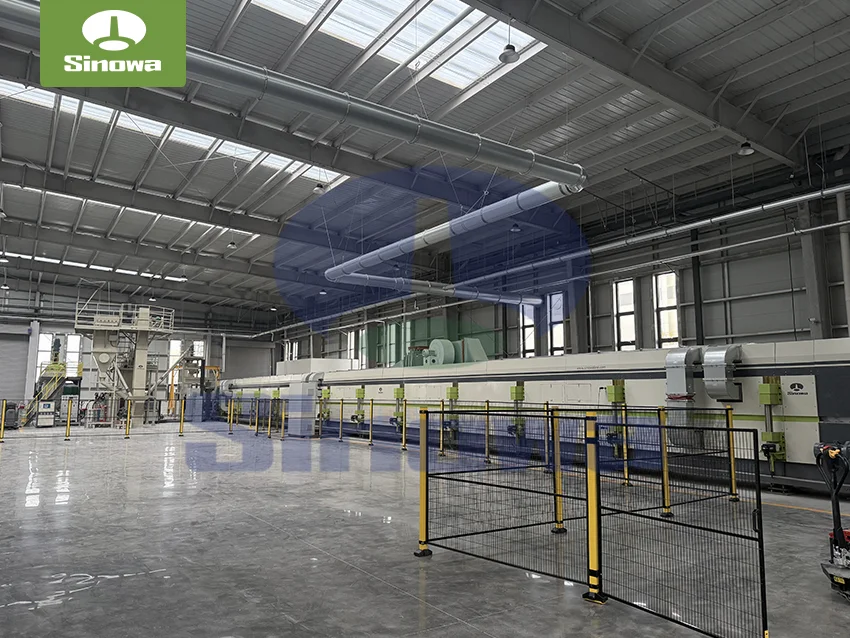
The foaming and lamination stage is the most critical part of the manufacturing process. The mixed polyurethane components are injected between the upper and lower metal facings as they move through the laminating line. The injection is performed using high-pressure equipment to ensure uniform distribution of the foam mixture. As the mixture reacts, it expands rapidly, filling the entire space between the facings and adhering tightly to both surfaces. To control the foaming process and ensure the core achieves the desired density and thickness, the panels pass through a set of precision-calibrated double belts that apply consistent pressure. The temperature and speed of the production line are also closely monitored, as these factors influence the curing time and final properties of the polyurethane foam. The continuous lamination process ensures that the bond between the metal facings and the foam core is strong and uniform, eliminating gaps or weak points that could compromise the panel's structural integrity or thermal performance.
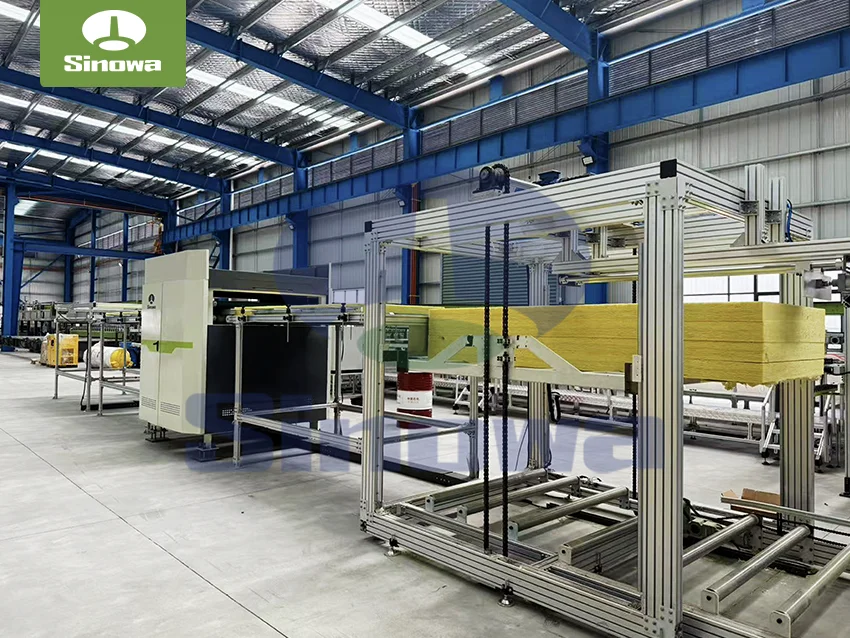
After foaming and lamination, the continuous panel is fed into a cutting machine, where it is trimmed to the required length. Modern cutting equipment uses high-precision saws or blades that ensure clean, straight cuts without damaging the panel's edges or core. The cut panels are then subjected to a quality inspection process, where they are checked for dimensions, core density, bond strength, and surface defects. Panels that meet the quality standards are then stacked and packaged to protect them during transportation. Special attention is paid to packaging, as the panels can be easily scratched or damaged if not properly protected. Packaging materials typically include protective films for the metal surfaces and wooden pallets for stable stacking.
One of the key advantages of PU sandwich panels for curtain walls is their exceptional thermal insulation performance. The polyurethane foam core has a very low thermal conductivity, typically ranging from 0.022 to 0.028 W/m·K, which is significantly lower than traditional insulation materials such as mineral wool or fiberglass. This high thermal efficiency helps to reduce heat transfer through the curtain wall, minimizing the building's energy consumption for heating and cooling. In an era where energy efficiency and sustainability are top priorities in the construction industry, this feature makes PU sandwich panels an environmentally friendly choice, contributing to reduced carbon emissions and lower operating costs for building owners. Additionally, the panels' airtight construction prevents air leakage, further enhancing their energy-saving benefits by eliminating drafts and reducing the load on HVAC systems.
Another important property of PU sandwich panels is their structural strength and durability. Despite their lightweight nature, the composite structure of the panels provides excellent load-bearing capacity, allowing them to withstand wind loads, seismic forces, and other external pressures commonly encountered in curtain wall applications. The metal facings contribute to the panel's bending strength and rigidity, while the polyurethane core provides compressive strength and dimensional stability. This combination makes the panels suitable for use in high-rise buildings and other structures where structural performance is critical. Furthermore, the panels are highly resistant to weathering, moisture, and UV radiation. The metal facings' protective coatings prevent corrosion, while the polyurethane core is impermeable to water, ensuring the panels maintain their performance over long periods even in harsh environmental conditions. With proper maintenance, PU sandwich panels can have a service life of 25 years or more, making them a cost-effective long-term solution for curtain wall projects.
Fire safety is a major concern in curtain wall design, and PU sandwich panels are engineered to meet strict fire performance requirements. By adding flame retardant additives to the polyurethane mixture during the manufacturing process, the foam core can achieve high fire ratings. The fire performance of the panels is typically classified based on criteria such as flame spread, smoke production, and heat release. Many PU sandwich panels for curtain walls achieve fire ratings that allow them to be used in a wide range of building types, including commercial, industrial, and public facilities. In the event of a fire, the polyurethane foam core undergoes a charring process, forming a protective layer that inhibits flame spread and reduces heat transfer. This charring effect helps to maintain the panel's structural integrity for a period, providing valuable time for building evacuation and fire suppression.
The design flexibility of PU sandwich panels is another factor that makes them highly suitable for curtain wall applications. The panels can be customized to meet specific architectural requirements, including varying thicknesses, lengths, and colors. The metal facings are available in a wide range of pre-painted finishes, allowing architects to achieve the desired aesthetic effect without the need for additional painting or cladding. Common colors include neutral tones such as gray, black, and white, as well as more vibrant hues for accent features. Additionally, the panels can be manufactured in different profiles, including flat panels, corrugated panels, and curved panels, enabling the creation of complex, visually striking curtain wall designs. This flexibility makes PU sandwich panels suitable for a wide range of architectural styles, from modern minimalist buildings to more elaborate, decorative structures.
The installation process of PU sandwich panels for curtain walls is relatively simple and efficient, thanks to their lightweight design and interlocking profiles. Unlike traditional curtain wall materials such as glass or stone, which require heavy lifting equipment and complex installation procedures, PU sandwich panels can be easily handled and installed by a small team of workers. The interlocking edges allow for quick and accurate assembly, reducing installation time and labor costs. Additionally, the panels do not require secondary finishing, as their surface is already smooth and decorative. This efficiency in installation helps to shorten the overall construction schedule, allowing projects to be completed on time and within budget. The lightweight nature of the panels also reduces the structural load on the building's frame, potentially leading to cost savings in the design and construction of the primary structure.
The use of PU sandwich panels in curtain walls also offers significant environmental benefits. As mentioned earlier, their high thermal efficiency reduces energy consumption, which in turn lowers greenhouse gas emissions. Additionally, the manufacturing process of PU sandwich panels is relatively energy-efficient compared to other building materials. The panels are also recyclable, with the metal facings being easily separated from the polyurethane core for recycling at the end of their service life. Furthermore, the lightweight design of the panels reduces transportation costs and associated carbon emissions, as more panels can be transported in a single shipment. These environmental benefits align with the growing global focus on sustainable construction practices, making PU sandwich panels an attractive choice for green building projects.
The demand for PU sandwich panels for curtain walls is expected to continue growing in the coming years, driven by several key trends in the construction industry. The increasing emphasis on energy efficiency and sustainability, coupled with the growing number of high-rise building projects in urban areas, is fueling demand for high-performance curtain wall materials. Additionally, the rapid urbanization in many regions is leading to a surge in construction activity, particularly in commercial and public sectors such as airports, shopping malls, and office buildings, where curtain walls are widely used. To meet this growing demand, manufacturing plants are continuously investing in new technologies to improve production efficiency, enhance product performance, and reduce environmental impact. For example, advances in foam formulation are leading to even lower thermal conductivity and higher fire resistance, while improvements in roll forming technology are enabling more complex panel profiles and faster production speeds.
Another emerging trend in the industry is the integration of smart technologies into PU sandwich panels for curtain walls. This includes the incorporation of sensors to monitor temperature, humidity, and structural performance, as well as the development of panels with integrated photovoltaic (PV) cells for energy generation. These innovations are transforming curtain walls from passive building envelopes into active, intelligent systems that contribute to the building's overall efficiency and functionality. Manufacturing plants are adapting to these trends by developing new production processes and capabilities to accommodate these advanced features.
Despite the many advantages of PU sandwich panels, there are also challenges that manufacturing plants must address to remain competitive. One of the main challenges is the volatility in raw material prices, particularly for petroleum-based products such as polyols and isocyanates. Fluctuations in these prices can impact production costs, making it difficult for manufacturers to maintain stable pricing. To mitigate this risk, many plants are investing in long-term supply contracts and exploring alternative raw materials that are more cost-stable and environmentally friendly. Another challenge is the increasing stringency of building codes and standards related to fire safety and energy efficiency. Manufacturers must continuously update their production processes and product formulations to meet these evolving requirements, which can require significant investment in research and development.
In conclusion, PU sandwich panel manufacturing plants play a vital role in supporting the curtain wall industry by producing high-performance, versatile, and sustainable building materials. The complex manufacturing process, which involves precise raw material preparation, roll forming, foaming, lamination, and quality control, ensures that the panels meet the strict performance requirements of modern curtain wall applications. With their exceptional thermal insulation, structural strength, fire safety, and design flexibility, PU sandwich panels have become a preferred choice for architects and builders worldwide. As the construction industry continues to prioritize energy efficiency and sustainability, the demand for these panels is expected to grow, driving further innovations in manufacturing technology and product development. By addressing the challenges of raw material volatility and evolving regulatory requirements, manufacturing plants can continue to thrive and contribute to the advancement of the curtain wall industry, enabling the creation of more efficient, durable, and aesthetically pleasing buildings.
https://www.cnsinowa.com/sandwich-panel-machines/pu-sandwich-panel-manufacturing-plant-for-curtain-wall-industry.html