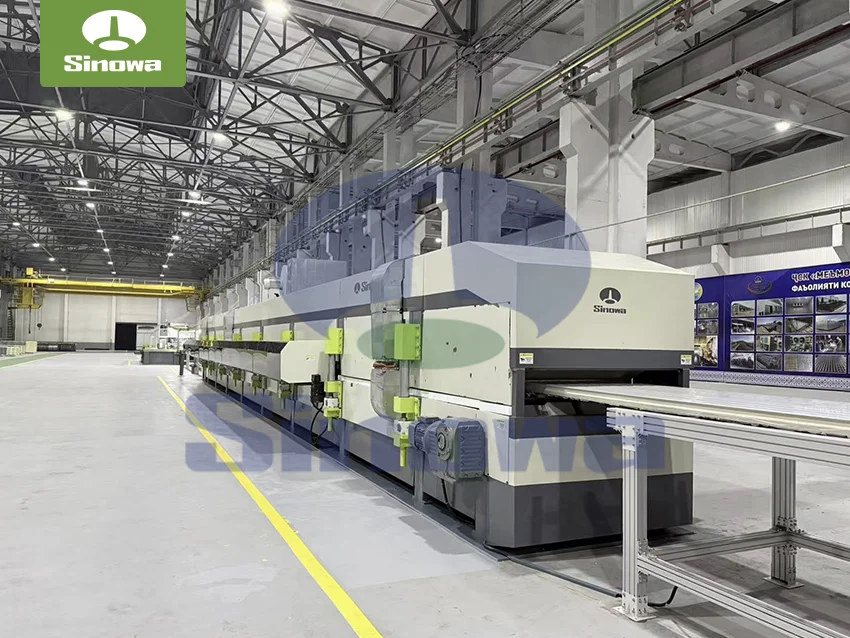
 sandwich panel line
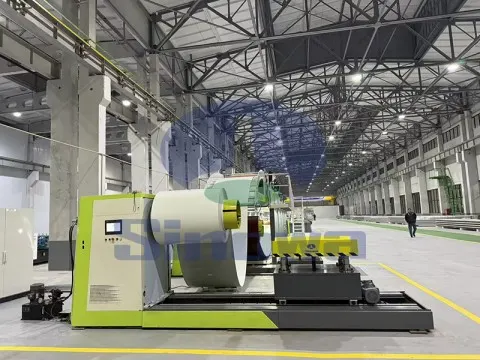
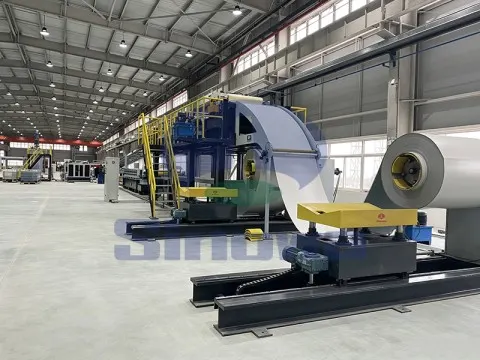
The PUF sandwich panel line for cold storage operates as a continuous, streamlined workflow, eliminating manual gaps and ensuring uniform quality across every panel produced, a vital trait for maintaining the insulation consistency required in cold rooms. The process commences with the handling and preparation of facing materials, typically corrosion-resistant metal sheets such as galvanized steel or aluminum, which serve as the outer and inner skins of the sandwich panel. These metal coils are loaded onto precision decoilers that unwind the material smoothly, with tension control systems to prevent warping, creasing, or misalignment—defects that would compromise the panel’s performance in cold, humid environments. After decoiling, the metal sheets pass through a series of leveling and straightening rollers to eliminate any residual curvature, ensuring a perfectly flat surface for subsequent bonding and foaming processes. Some configurations of the line also include surface treatment stations, where the metal skins are prepared to enhance adhesion with the polyurethane foam core, a critical step to prevent delamination over time, especially when exposed to the repeated temperature cycling common in cold storage operations. This initial material preparation phase is meticulously calibrated, as even minor imperfections in the facing materials can lead to heat leaks, moisture ingress, or structural weakness in the finished cold room panels.
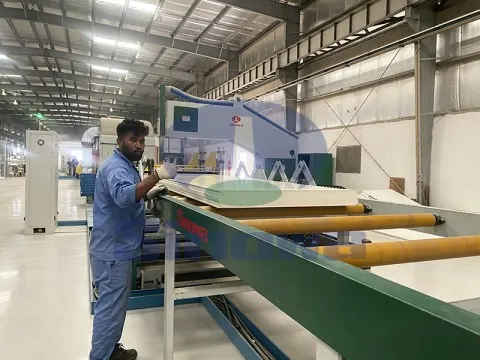
Following the preparation of the metal skins, the production line moves into the roll forming stage, where the flat metal sheets are shaped into precise profiles tailored for cold storage panel assembly. These profiles are designed to create interlocking edges that ensure tight, seamless joints when the panels are installed in cold rooms, eliminating air gaps that would compromise thermal efficiency. The roll forming section consists of multiple sets of precision rollers that gradually bend and shape the metal sheets without stretching or damaging the material, maintaining the structural integrity of the skins while achieving the exact dimensional specifications required for modular cold room construction. The speed and pressure of the roll forming process are carefully regulated by the line’s central control system, ensuring consistency in profile shape and size across all panels, which is essential for quick, accurate on-site installation and a uniform thermal barrier throughout the cold storage facility. Once the upper and lower metal skins are fully formed, they are guided into the core foaming and laminating section of the line, the most critical stage for creating the panel’s insulation properties— the defining feature of cold storage PUF panels.
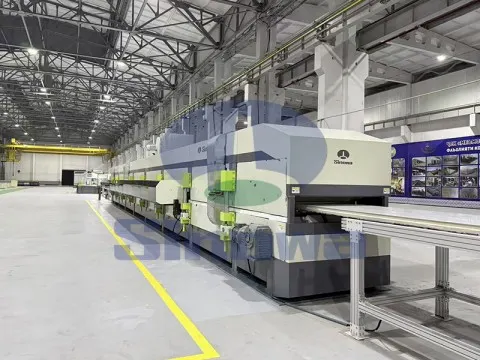
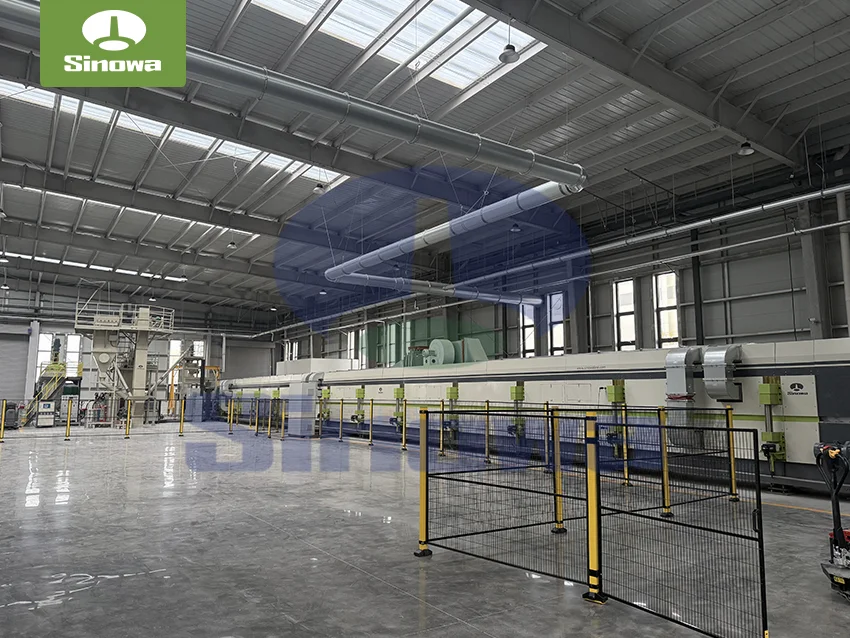
The foaming and laminating process is where the PUF sandwich panel gains its exceptional thermal insulation capabilities, and the production line is engineered to execute this stage with unparalleled precision. Polyurethane raw materials, including polyol and isocyanate, are stored in dedicated, temperature-controlled storage tanks within the line’s material handling system. These components are fed through high-precision metering pumps that deliver them in an exact, consistent ratio to a high-speed mixing head, where they are blended uniformly to initiate the foaming reaction. The mixing head operates with extreme accuracy, ensuring that the chemical reaction proceeds evenly to produce a rigid, closed-cell polyurethane foam with optimal density— a key factor in balancing insulation performance, structural strength, and weight for cold storage panels. The mixed liquid foam is injected continuously and evenly between the two formed metal skins, which are held in precise alignment by the line’s conveyor and clamping systems. Immediately after injection, the sandwich assembly enters a heated, controlled-pressure laminating zone, where the foam expands to fill the entire cavity between the metal skins, bonding firmly to both surfaces as it cures. This laminating section is designed to maintain consistent temperature and pressure along the entire length of the line, ensuring uniform foam density, thickness, and adhesion across every panel; variations in these parameters would result in inconsistent insulation values, making the panel unsuitable for cold storage where even small temperature fluctuations can spoil perishable goods.
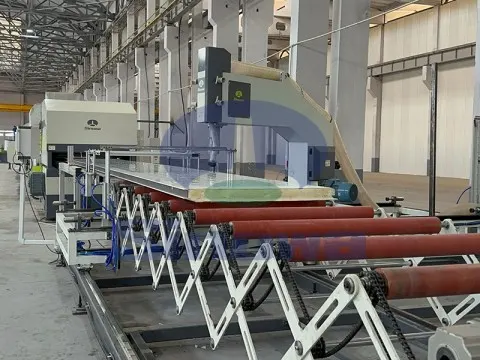
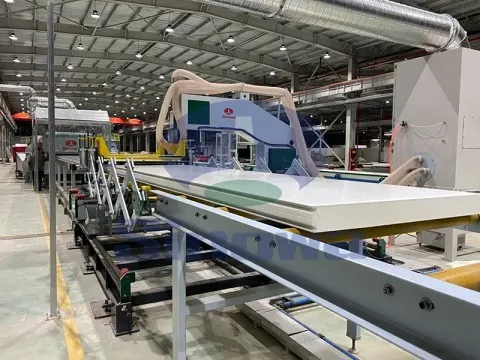
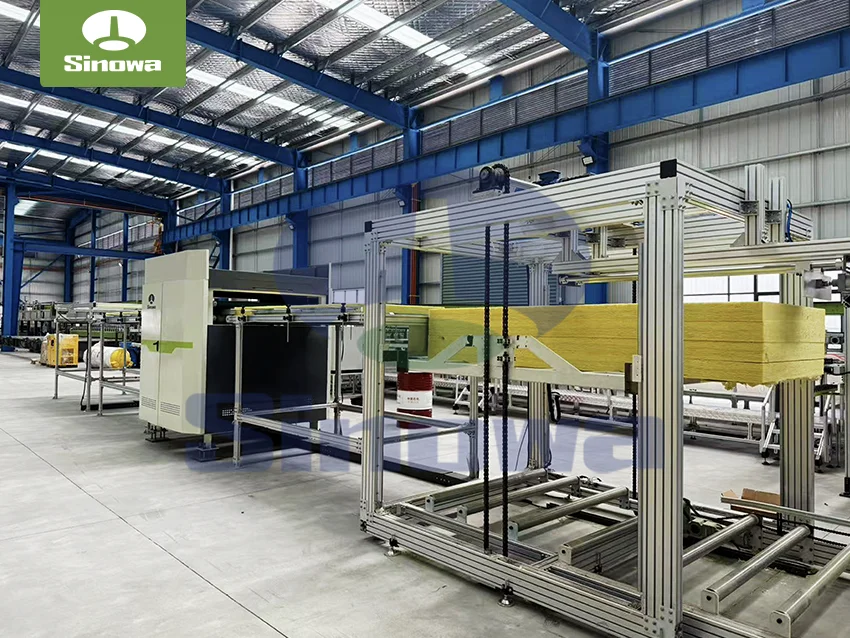
As the bonded sandwich panel moves through the production line, it progresses through a controlled cooling and curing zone, which stabilizes the polyurethane foam and finalizes the panel’s structural and thermal properties. This phase is carefully timed to match the line’s continuous production speed, allowing the foam to fully cure and harden without slowing down the manufacturing process, balancing efficiency with quality. The cooling system is designed to prevent rapid temperature changes that could cause the foam to crack or the metal skins to warp, preserving the panel’s flatness and dimensional accuracy. Once fully cured, the panel moves to the precision cutting station, where it is trimmed to the exact length specified for cold storage applications, with clean, square edges that facilitate seamless installation. The cutting system operates with high precision, maintaining tight tolerances to ensure that each panel fits perfectly within the modular framework of a cold room, whether used for walls, ceilings, or floors. Some advanced lines also include edge trimming and finishing stations, which remove any excess material and refine the panel’s edges to enhance the interlocking fit and improve the overall airtightness of the finished cold storage structure. After cutting and finishing, the completed PUF sandwich panels are automatically conveyed to a stacking and handling area, where they are carefully stacked to prevent damage during storage and transportation to cold storage construction sites.
A defining characteristic of the PU sandwich panel line for cold storage is its high degree of automation, which not only boosts production efficiency but also ensures consistent quality that manual processes cannot match. The entire line is governed by a centralized control system, typically featuring an intuitive interface that allows operators to monitor and adjust key production parameters in real time—including line speed, foam mixing ratio, laminating temperature and pressure, curing time, and cutting dimensions. This automated control eliminates human error, ensuring that every panel meets the strict performance standards required for cold storage use. Operators can easily adjust settings to produce panels of varying thicknesses, widths, and foam densities to suit different cold storage requirements; for instance, panels for ultra-low temperature freezers require thicker foam cores and higher density to maximize insulation, while standard cool rooms may use thinner panels with optimized foam properties. The automated system also includes real-time quality monitoring features, detecting defects such as uneven foam distribution, poor adhesion, or dimensional inaccuracies and triggering alerts to address issues promptly, minimizing waste and ensuring that only flawless panels reach the market. This level of automation is crucial for manufacturers looking to meet the growing global demand for cold storage infrastructure, as it allows for high-volume production without sacrificing the quality and performance that cold chain operations depend on.
The performance of the PUF sandwich panels produced by this specialized line is directly aligned with the unique needs of cold storage rooms, making the line’s design and functionality inseparable from the end-use requirements. The closed-cell polyurethane foam core created by the line offers exceptionally low thermal conductivity, which is the primary reason PUF panels are the preferred choice for cold storage—this property drastically reduces heat transfer between the warm exterior and the cold interior of the room, lightening the load on refrigeration systems and cutting down on long-term energy consumption. Beyond thermal efficiency, the panels manufactured by the line exhibit excellent moisture resistance, a critical trait in cold storage environments where high humidity and condensation can lead to mold growth, material degradation, and compromised insulation. The tight bond between the foam core and metal skins, achieved through the line’s precise laminating process, prevents moisture from seeping into the panel structure, preserving its insulation performance and structural integrity over years of use. Additionally, the panels offer robust structural strength, capable of supporting the weight of cold room fixtures, insulation layers, and external environmental stresses such as wind and snow, ensuring the longevity and stability of the cold storage facility. The production line’s focus on durable bonding and uniform material distribution ensures that these performance attributes are consistent across every panel, avoiding weak spots that could lead to heat loss or structural failure in critical cold storage applications.
Beyond performance and automation, the PUF sandwich panel line for cold storage is engineered with operational practicality and sustainability in mind, addressing key concerns for modern manufacturers. The line is designed for energy efficiency, optimizing power consumption across all stages of production—from decoiling and roll forming to foaming, laminating, and cutting—reducing the overall carbon footprint of panel manufacturing. Additionally, the precise material handling and automated processes minimize material waste, as raw materials are measured and used with minimal excess, and defective panels are reduced to a minimum through real-time quality control. This focus on efficiency not only lowers production costs but also aligns with global sustainability goals, as the energy-efficient panels produced by the line help cold storage facilities reduce their own energy usage and greenhouse gas emissions over their operational lifespan. The line is also designed for ease of maintenance, with accessible components, durable machinery parts, and straightforward upkeep protocols to minimize downtime and ensure continuous, reliable production. Manufacturers can rely on the line to operate consistently for extended periods, meeting tight production schedules and fulfilling orders for cold storage projects of all sizes, from small commercial cold rooms to large-scale industrial refrigeration complexes.
The impact of the PUF sandwich panel line for cold storage extends far beyond the manufacturing floor, playing a pivotal role in supporting the global cold chain and food security infrastructure. As the demand for cold storage facilities continues to rise—driven by population growth, urbanization, the expansion of the frozen food industry, and stricter regulations for perishable goods preservation—high-quality PUF panels are essential for building efficient, reliable cold rooms. The production line enables manufacturers to meet this surging demand with panels that deliver uncompromising performance, ensuring that cold storage facilities can maintain stable temperatures, preserve perishable products, reduce food waste, and support the safe distribution of pharmaceuticals and other temperature-sensitive goods. Without a specialized, high-performance PUF sandwich panel line, manufacturers would struggle to produce panels that meet the rigorous standards of the cold storage industry, hindering the development of critical cold chain infrastructure worldwide. The line’s ability to produce consistent, durable, and energy-efficient panels makes it a vital link in the supply chain that connects producers, distributors, and consumers, ensuring that perishable items reach their destinations in optimal condition.
Looking ahead, the PUF sandwich panel line for cold storage will continue to evolve alongside advancements in material science, automation technology, and cold storage design. Future iterations of the line will likely integrate even more advanced control systems, such as AI-driven process optimization, to further enhance precision, efficiency, and quality control. Innovations in polyurethane foam technology will also drive refinements to the line’s foaming and mixing systems, allowing for the production of panels with even higher thermal efficiency, improved fire resistance, and enhanced durability for extreme cold storage environments. Additionally, the line will continue to adapt to the growing demand for sustainable manufacturing practices, with features that further reduce energy consumption, waste, and environmental impact. As the global focus on energy efficiency and cold chain resilience intensifies, the PUF sandwich panel production line will remain at the forefront of cold storage construction, continuously evolving to meet the changing needs of the industry and delivering panels that set the standard for performance, reliability, and sustainability in refrigerated warehousing.
In summary, the PUF sandwich panel line for cold storage rooms is far more than a manufacturing system—it is a specialized engineering solution tailored to the unique demands of the cold storage industry. From the initial preparation of metal skins to the final cutting and stacking of finished panels, every aspect of the line is optimized to produce high-quality, thermally efficient, and durable panels that form the backbone of modern cold storage facilities. Its automated, continuous workflow ensures consistent quality and high production capacity, while its precision-engineered processes guarantee that each panel meets the strict performance standards required for reliable cold storage operation. As a critical enabler of efficient cold chain infrastructure, this production line not only supports manufacturers in meeting market demand but also contributes to global efforts to reduce food waste, conserve energy, and maintain the integrity of temperature-sensitive products. For the cold storage industry, investing in a high-performance PUF sandwich panel line is not just a manufacturing decision—it is a commitment to quality, efficiency, and the long-term sustainability of the global cold chain.
Sinowa is a professional manufacturer of sandwich panel machine in china, we provide diversified and high-performance sandwich panel production lines, including fully automatic continuous PU sandwich panel line and customized special lines to meet mass production and personalized order demands. These sandwich panel lines support processing multiple foam core materials, such as PU, PIR, mineral wool, rock wool and glass wool, covering different insulation and fireproof standards.
Featuring stable operation, high efficiency, energy saving and easy maintenance, our PU sandwich panel line deliver sandwich panels with excellent thermal insulation, fire resistance, sound insulation and lightweight durability. The finished panels are widely applied in industrial workshops, warehouse roofing and wall cladding, cold storage insulation, serving global construction and industrial insulation markets.
https://www.cnsinowa.com/sandwich-panel-machines/puf-sandwich-panel-line-for-cold-storage-room.html